




_1764923457990.webp)
PMAP-23/350019-43-1/Peptide synthesis
- Product Description
PeptideName:PMAP-23/350019-43-1/Peptide synthesis
Catalog No:GT-M20795
Sequence:H-Arg-Ile-Ile-Asp-Leu-Leu-Trp-Arg-Val-Arg-Arg-Pro-Gln-Lys-Pro-Lys-Phe-Val-Thr-Val-Trp-Val-Arg-NH2
CAS Number:350019-43-1
Molecular Formula:C140H230N44O27
Molecular Weight:2961.5936
Category:PMAP-23,350019-43-1,Peptide synthesis, Peptide raw material company
Description
Porcine bone marrow antimicrobial peptide (PMAP-23, CAS: 350019-43-1) is a class of natural cationic antimicrobial peptides derived from porcine bone marrow cells. It has broad-spectrum antimicrobial properties and can exert rapid bactericidal effects against Gram-positive bacteria such as Staphylococcus aureus and Gram-negative bacteria such as Escherichia coli. Its mechanism of action is to achieve bactericidal effect by disrupting the integrity of bacterial cell membranes. Compared with traditional antibiotics, it is less likely to induce drug resistance in bacteria, thus solving the problem of drug resistance caused by antibiotic abuse.
Specifications
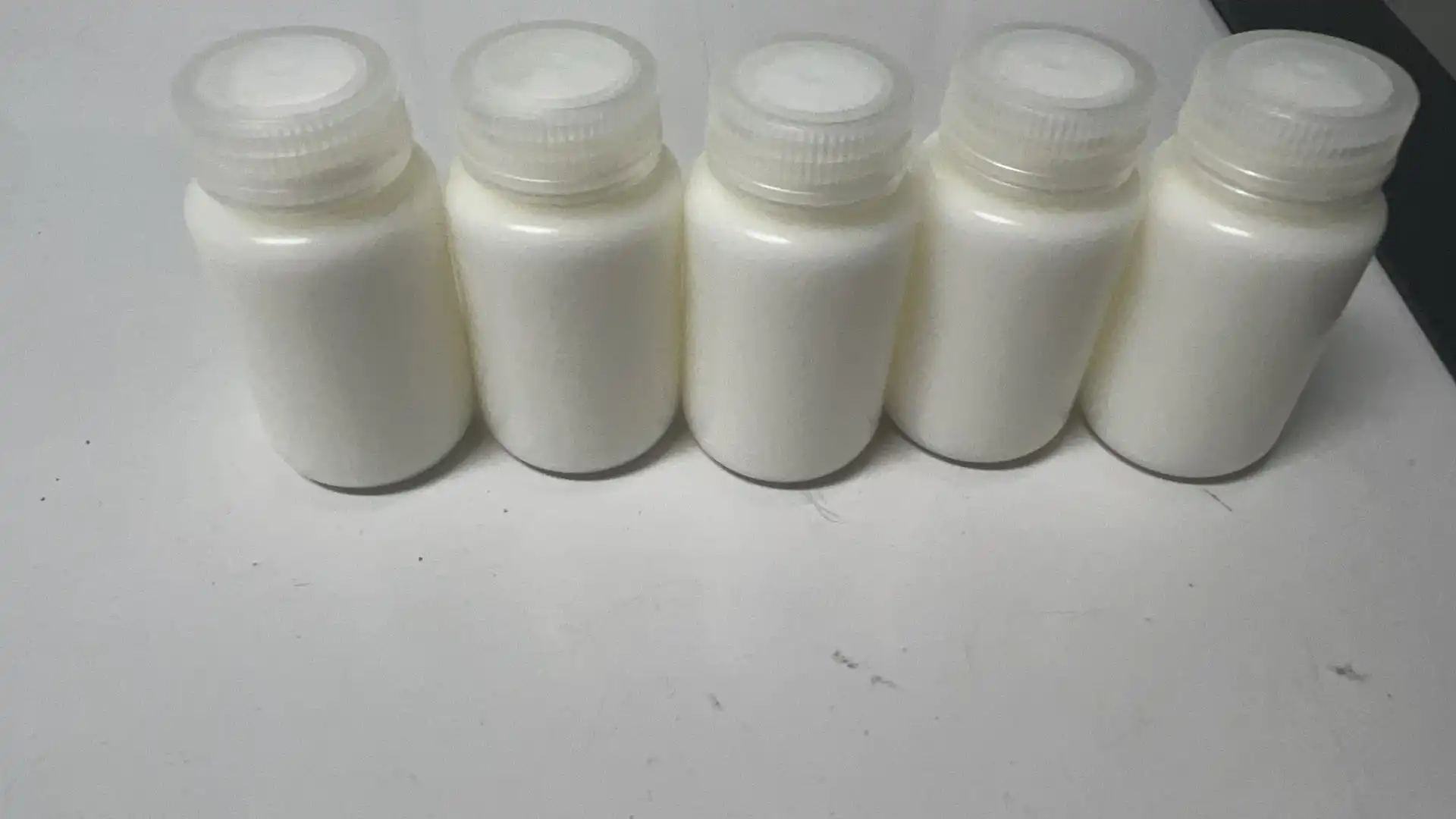
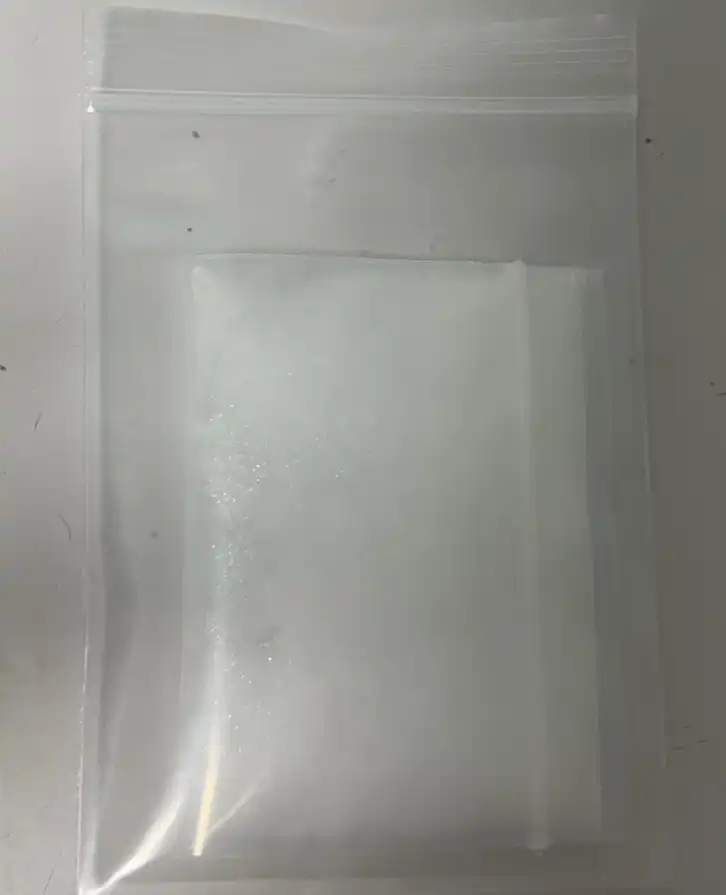
Apperance: White to off-white powder
Purity(HPLC): ≥98.0%
Single Impurity: ≤2.0%
Acetate Content(HPLC): 5.0%~12.0%
Water Content (Karl Fischer): ≤10.0%
Peptide Content: ≥80.0%
Packing and Shipping: Low temperature, vacuum packing, accurate to mg as required.
FAQ:
Which end is best for my research?
By default, the peptide ends with an N-terminal free amino group and a C-terminal free carboxyl group. The peptide sequence often represents the sequence of the mother protein. In order to be closer to the mother protein, the end of the peptide often needs to be closed, that is, n-terminal acetylation and C-terminal amidation. This modification avoids the introduction of excess charge, and also makes it more able to prevent exonucliase action, so that the peptide is more stable.
What is net weight? What is peptide content?
After lyophilized peptide is generally fluffy and fluff-like, it may still contain trace amounts of water, adsorbed solvents and salts due to the characteristics of peptide itself. This does not mean that the purity of the peptide is not enough, but that the actual content of the peptide is reduced by 10% to 30%. The net weight of the peptide is the actual weight of the peptide minus the water and protonated ions. In order to ensure the concentration of peptide, the non-peptide substances need to be removed from the crude peptide.
How do you determine if a peptide is looped?
We use the Ellman reaction to test whether the ring formation is complete. If the Ellman test is positive (yellow), the ring reaction is incomplete. If the test results are negative (not yellow), the ring reaction has been complete. We do not provide the analysis report of cyclization identification for our clients. Generally, there will be a description of Ellman's test results in the QC report.
If a PMAP-23 is 98% pure, what is 2%?
Two percent of the composition was truncated or deleted sequence fragments.
Which modified labeled polypeptides can be synthesized in Chinese peptide?
Our company provides a variety of modified peptide labeling, such as acetylation, biotin labeling, phosphorylation modification, fluorescence modification, can also be customized according to your special needs.