




2_1773734617771.webp)
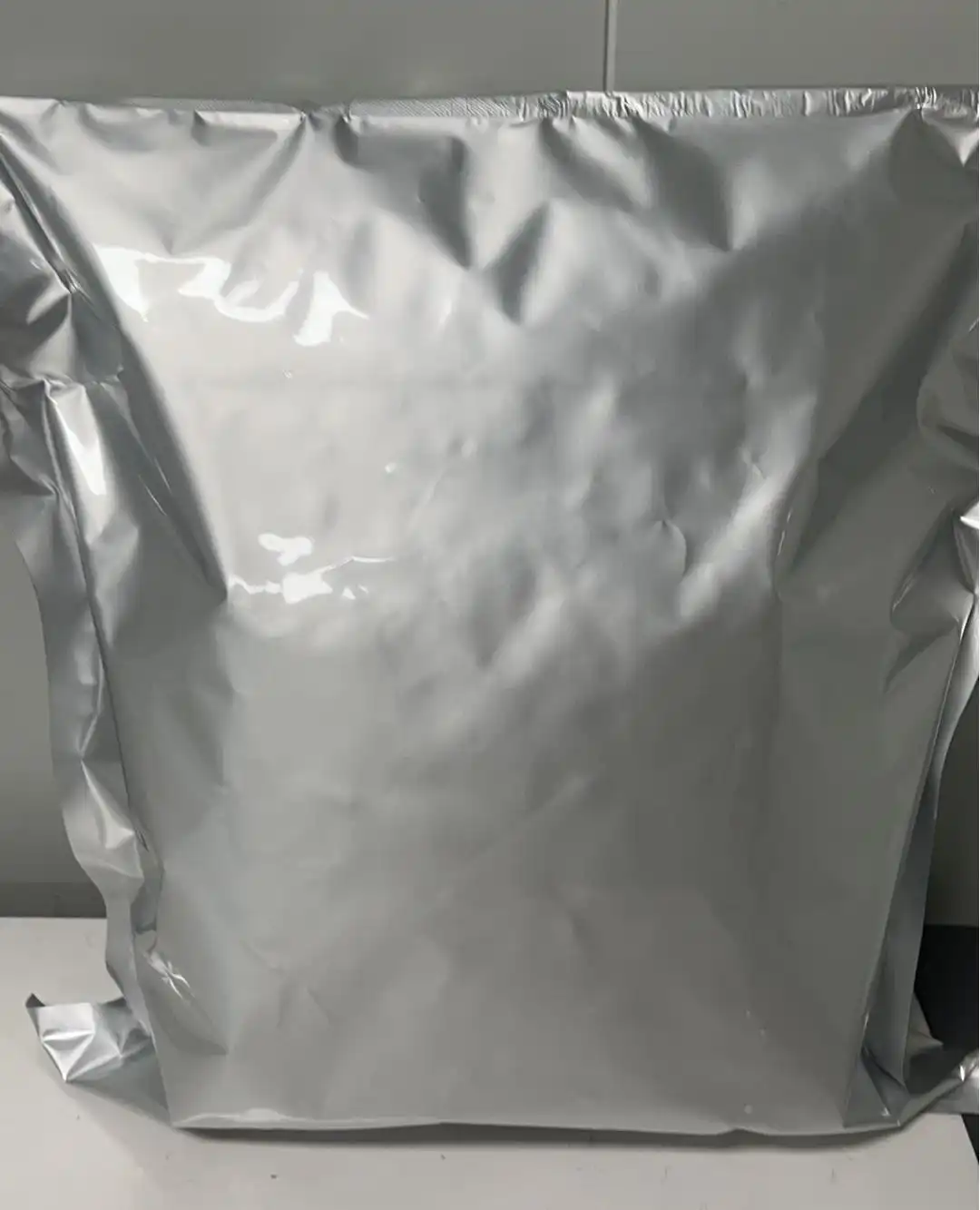
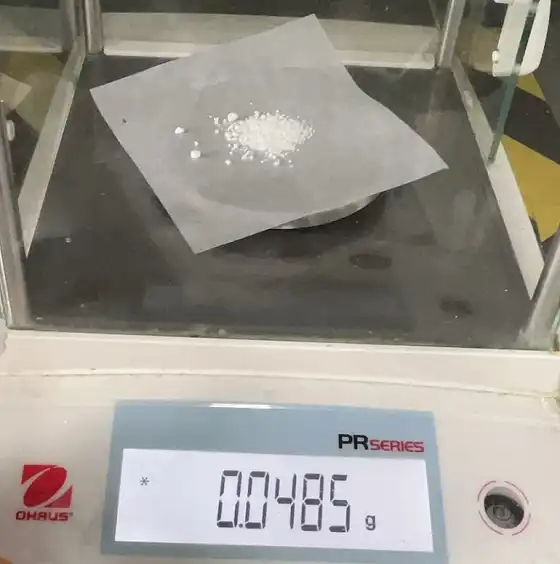
Thymosin α1/62304-98-7/Thymosin α1 peptide
- Product Description
PeptideName:Thymosin α1/62304-98-7/Thymosin α1 peptide
Catalog No:GT-B005
Sequence:Ac-Ser-Asp-Ala-Ala-Val-Asp-Thr-Ser-Ser-Glu-Ile-Thr-Thr-Lys-Asp-Leu-Lys-Glu-Lys-Lys-Glu-Val-Val-Glu-Glu-Ala-Glu-Asn
CAS Number:62304-98-7
Molecular Formula:C129H215N33O55
Molecular Weight:3108.3
Category:Thymosin α1,62304-98-7,Peptide synthesis,Peptide raw material company
Description:Thymosin α1 exerts a broad-spectrum immunomodulatory effect by promoting the differentiation and maturation of T lymphocytes, enhancing the activity of NK cells, and regulating cytokine secretion. It can effectively improve the state of immunosuppression in the body. Clinically, it is commonly used for the adjuvant treatment of immune dysfunction in chronic hepatitis B, immunodeficiency diseases, and post-radiotherapy/chemotherapy cancer patients. Meanwhile, as a core tool peptide, it is also widely applied in basic and translational research in fields such as immunopharmacology, infection immunity, and tumor immunology.
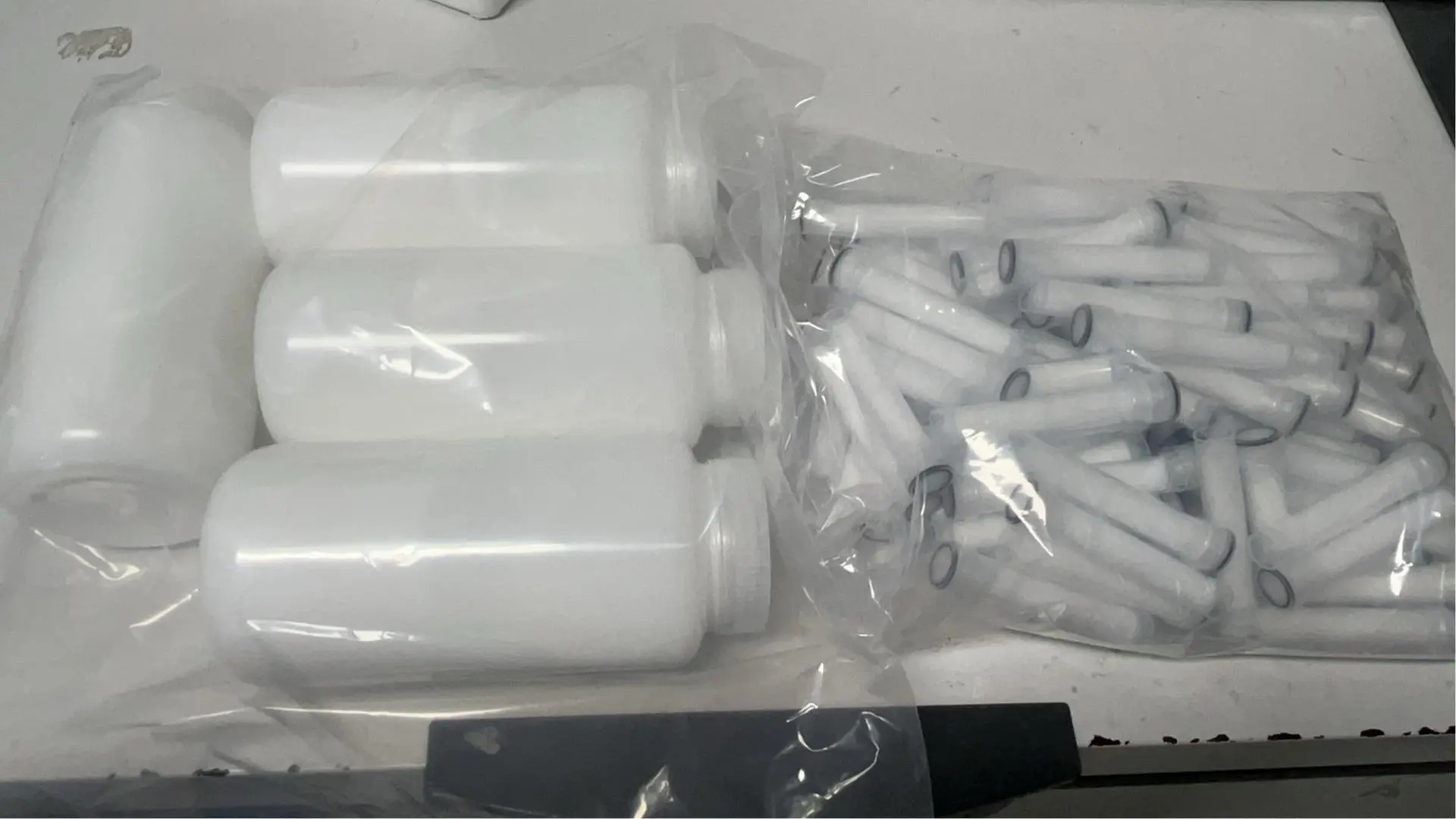
Specifications
Apperance: White to off-white powder
Purity(HPLC): ≥98.0%
Single Impurity: ≤2.0%
Acetate Content(HPLC): 5.0%~12.0%
Water Content (Karl Fischer): ≤10.0%
Peptide Content: ≥80.0%
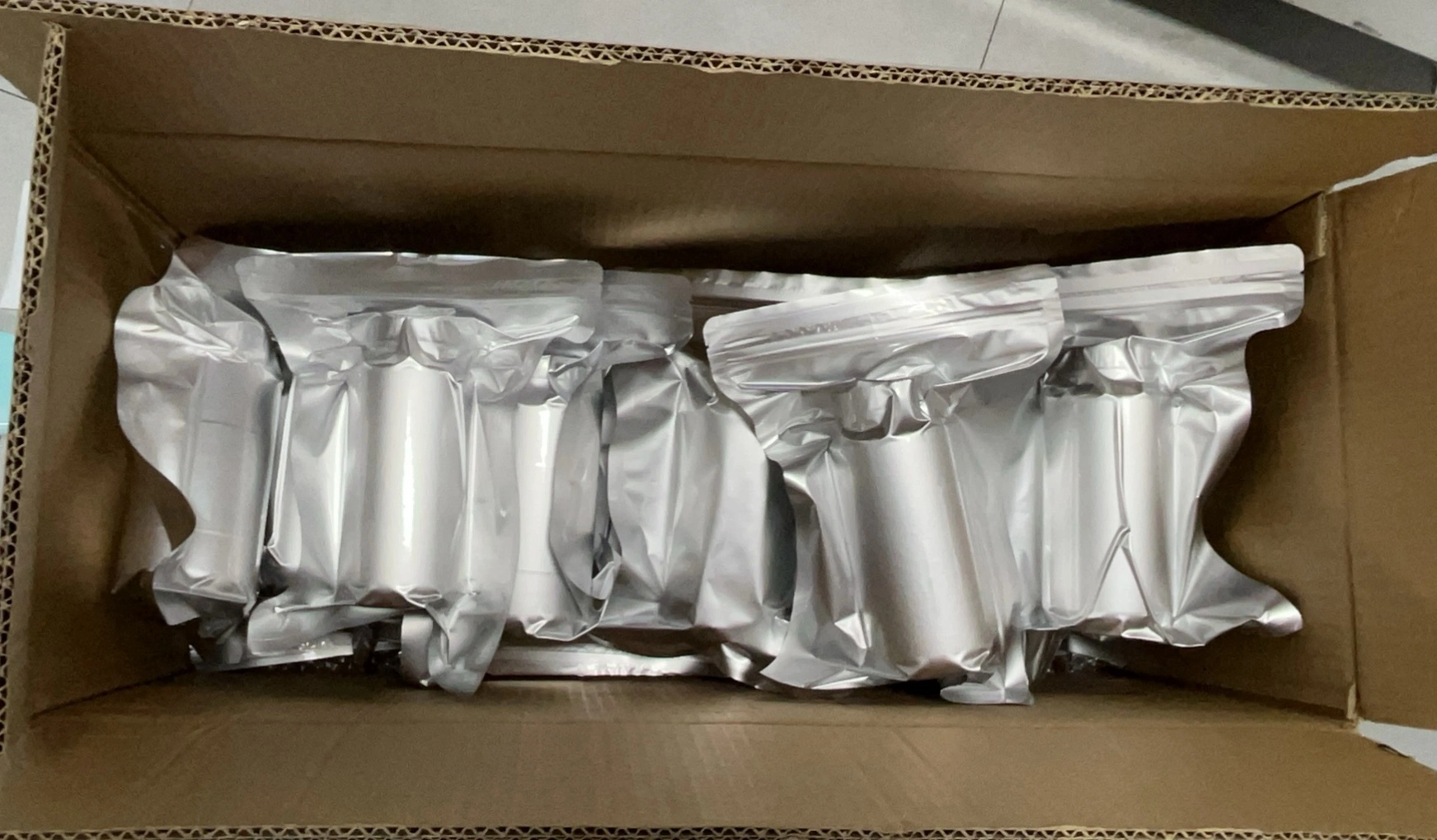
Packing and Shipping: Low temperature, vacuum packing, accurate to mg as required.
FAQ:
How do you dissolve polypeptides?
The solubility of polypeptide depends mainly on its primary and secondary structure, the nature of modification label, solvent type and final concentration. If the peptide is insoluble in water, ultrasound can help dissolve it. For basic peptide, it is recommended to dissolve with 10% acetic acid; For acidic peptides, dissolution with 10%NH4HCO3 is recommended. Organic solvents can also be added to insoluble polypeptides. The peptide is dissolved in the least amount of organic solvent (e.g., DMSO, DMF, isopropyl alcohol, methanol, etc.). It is highly recommended that the peptide be dissolved in the organic solvent first and then slowly added to water or other buffer until the desired concentration.
What are the best preservation conditions? How stable is the peptide?
After lyophilized, polypeptide can form fluff or flocculant powder, which can avoid premature degradation of polypeptide. Recommended storage conditions: a. -20℃ storage or dry environment b. Try to avoid repeated freeze-thaw c. Try to avoid storage in solution state (freeze-dried powder can be stored in separate packages for convenience of use) d. If it must be stored in solution, it is recommended to dissolve the peptides in sterile water under weakly acidic conditions and store at -20℃.
How is my peptide transported? What test reports are provided?
All freeze-dried polypeptides are usually stored in special containers of 2 ml or 10ml with original analytical data and synthesis reports containing important information such as sequence, molecular weight, purity, weight, and number of the polypeptide.
If a Thymosin α1 is 98% pure, what is 2%?
Two percent of the composition was truncated or deleted sequence fragments.
How pure can the peptide be?
Our company can provide different purity levels for customers to choose from, from crude to > 99.9% purity. According to customer needs we can provide purity > 99.9% ultra-pure polypeptide.