




Keyword:Albiglutide,782500-75-8,Albiglutide Synthetic Peptide
Albiglutide, sold under the brand name Tanzeum, is a long-acting injectable prescription medication classified as a glucagon-like peptide-1 (GLP-1) receptor agonist. Unlike short-acting GLP-1 therapies, this drug is formulated for once-weekly subcutaneous administration, making it a convenient option for patients struggling with daily diabetes management. Understanding the precise medical uses, approved indications, and clinical limitations of albiglutide is critical for healthcare providers, patients, and caregivers alike, as it helps ensure safe, effective, and guideline-compliant treatment.
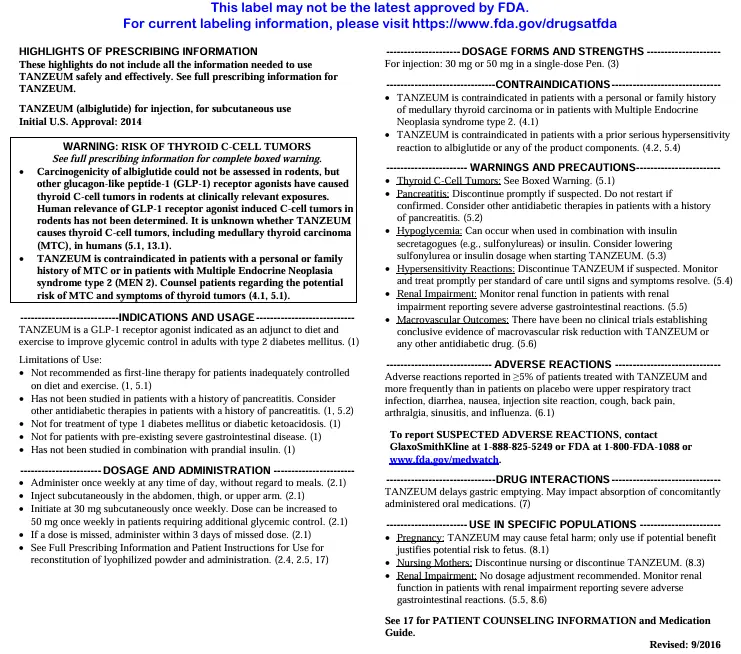
Core FDA-Approved Indication: Glycemic Control for Type 2 Diabetes
The primary and only FDA-approved use of albiglutide is to improve glycemic control in adults with type 2 diabetes mellitus, when used as an adjunct to a medically supervised diet and regular exercise regimen. This medication is not designed for standalone use without lifestyle modifications; instead, it complements behavioral interventions to lower elevated blood glucose levels, reduce HbA1c (glycated hemoglobin), and stabilize long-term metabolic health in patients with type 2 diabetes.
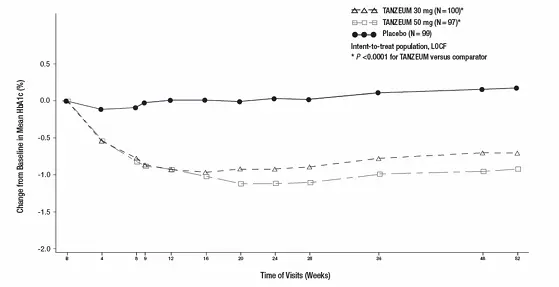
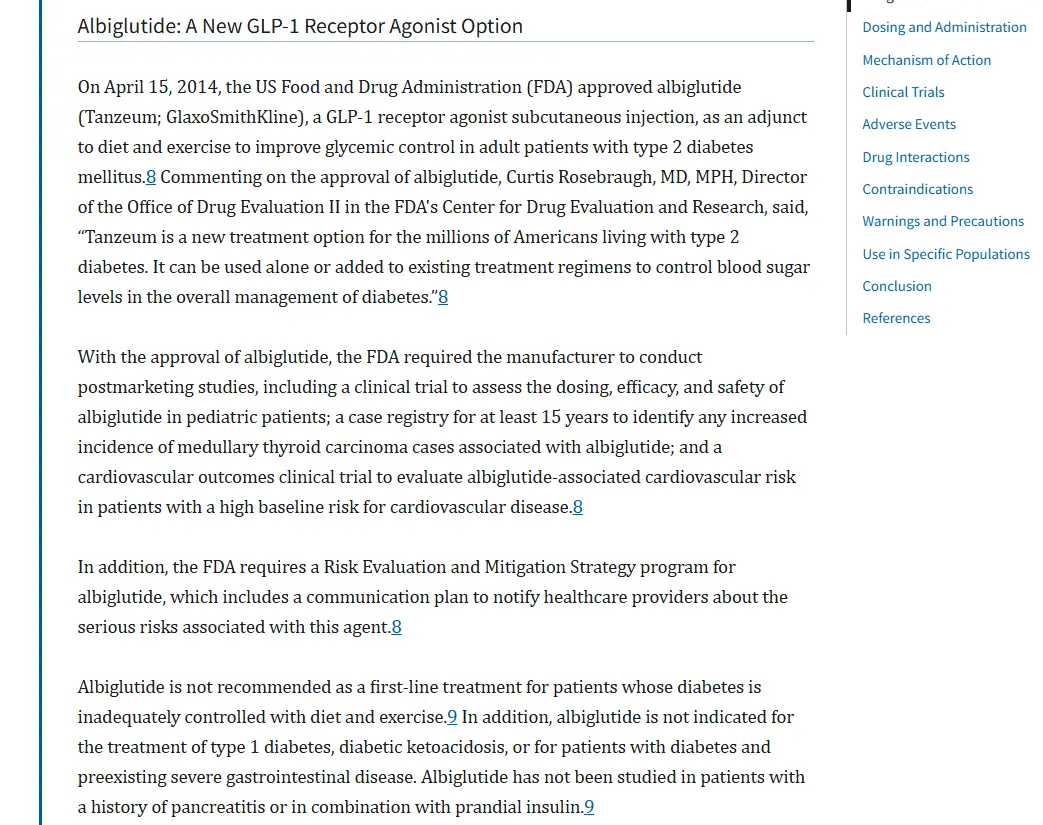
Approved by the U.S. Food and Drug Administration (FDA) in April 2014, albiglutide filled a niche for a once-weekly GLP-1 agonist, addressing the unmet need for less frequent dosing among patients who struggle with daily injectable routines. Clinical trials consistently demonstrate that albiglutide effectively reduces HbA1c levels, a key marker of average blood sugar over three months, and lowers fasting plasma glucose concentrations when compared to placebo. It works by mimicking the body’s natural GLP-1 hormone, which regulates insulin secretion, suppresses excessive glucagon release, and promotes satiety to support modest weight management alongside glycemic control.
Clinical Use Cases: Monotherapy and Combination Therapy
Albiglutide is versatile in clinical practice, suitable for both monotherapy and combination therapy, depending on a patient’s diabetes severity, treatment history, and tolerability to other antidiabetic medications. As monotherapy, it is indicated for patients whose type 2 diabetes cannot be adequately controlled with diet and exercise alone, and who may not tolerate or respond to first-line oral agents like metformin. This makes it a viable second-line option for patients who experience side effects or insufficient efficacy with metformin, the gold-standard initial treatment for type 2 diabetes.
In combination therapy, albiglutide is frequently prescribed alongside other antidiabetic drugs to enhance glycemic control in patients with more advanced disease. It is safe and effective when paired with metformin, sulfonylureas, thiazolidinediones, and basal insulin (such as insulin glargine), as validated by the Phase 3 Harmony clinical trial program involving over 5,000 participants. The Harmony trials confirmed that albiglutide add-on therapy delivers superior HbA1c reductions compared to placebo and several active comparators, including sitagliptin and glimepiride, while minimizing the weight gain often associated with sulfonylureas and insulin.
Notably, albiglutide’s once-weekly dosing schedule improves treatment adherence, a major barrier to successful diabetes management. Patients can administer the injection at any time of day, with or without food, in the abdomen, thigh, or upper arm, offering flexibility that aligns with busy daily routines. Initial dosing starts at 30 mg weekly, with a potential uptitration to 50 mg weekly for patients needing additional glycemic improvement, ensuring personalized care tailored to individual metabolic needs.
Important Limitations and Non-Indicated Uses
Despite its efficacy for type 2 diabetes, albiglutide has strict limitations and is not approved for several patient populations or medical conditions, which is critical to avoid off-label misuse and adverse events. First and foremost, albiglutide is not recommended as first-line therapy for patients with newly diagnosed type 2 diabetes who are only uncontrolled with diet and exercise. This restriction stems from regulatory warnings about potential thyroid C-cell tumor risks observed in rodent studies, though human relevance remains unconfirmed.
Albiglutide is explicitly not indicated for type 1 diabetes or diabetic ketoacidosis (DKA), as it does not replace the insulin required for these conditions. It is also contraindicated for patients with a personal or family history of medullary thyroid carcinoma (MTC) or multiple endocrine neoplasia syndrome type 2 (MEN 2), due to the theoretical risk of thyroid tumor development. Additionally, albiglutide is not recommended for patients with severe gastrointestinal disease, a history of pancreatitis, or those requiring prandial (mealtime) insulin, as clinical trials have not evaluated safety and efficacy in these groups.
Safety and Efficacy Context: Supporting Clinical Evidence
All approved uses of albiglutide are backed by rigorous clinical research, with the Harmony trial program serving as the cornerstone of its regulatory approval. These trials evaluated albiglutide across diverse patient populations, including elderly patients and those with comorbidities, confirming consistent glycemic benefits and a manageable safety profile. Common side effects include mild gastrointestinal symptoms (nausea, diarrhea), upper respiratory tract infections, and injection-site reactions, which are typically transient and improve with continued use.
While albiglutide is no longer commercially available in some markets due to business decisions by the manufacturer, its clinical profile remains relevant for understanding GLP-1 agonist therapy and serves as a benchmark for long-acting diabetes medications. For patients and providers evaluating GLP-1 treatment options, albiglutide’s once-weekly dosing and proven efficacy in monotherapy and combination regimens highlight its role in personalized type 2 diabetes care, when used within approved guidelines and under medical supervision.
Key Takeaways: Albiglutide’s Clinical Role
In summary, albiglutide is a specialized once-weekly GLP-1 receptor agonist exclusively indicated for improving glycemic control in adults with type 2 diabetes, paired with diet and exercise. It offers a convenient, adherence-friendly treatment option for both initial add-on therapy and advanced combination regimens, supported by robust clinical data. Strict adherence to approved indications, avoidance of high-risk patient groups, and close medical monitoring ensure that albiglutide delivers safe, effective metabolic control for eligible patients with type 2 diabetes.