




Did you know? A natural metabolic regulator secreted by the gut after eating is reshaping the landscape of metabolic disease treatment—this is human glucagon-like peptide-1 (GLP-1, CAS No.: 106612-94-6). This endogenous polypeptide hormone not only precisely regulates blood sugar but also demonstrates diverse value in areas such as weight management and cardiovascular protection, becoming a core focus of global life science research. The research team behind it even won the 2025 Breakthrough Prize in Life Sciences.

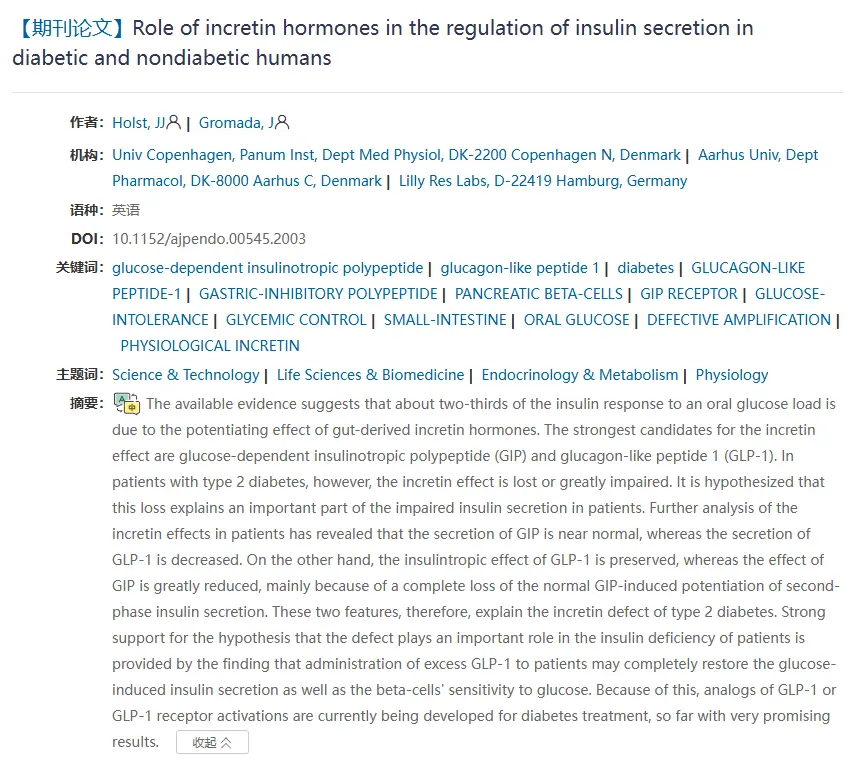
As a key incretin, GLP-1 (106612-94-6) secretion is highly "intelligent": intestinal L cells are only activated to secrete it when blood sugar rises after eating. Its regulatory mechanism is remarkably sophisticated: on the one hand, it binds to pancreatic β-cell receptors, promoting glucose-dependent insulin secretion while inhibiting the release of glucagon, thus stabilizing blood sugar fluctuations at the source; on the other hand, it enhances satiety by delaying gastric emptying and acting on the hypothalamic feeding center, achieving a dual regulation of "lowering blood sugar + reducing weight." This core mechanism has long been confirmed by classic research (Holst JJ, et al. Diabetes Metab Res Rev. 2009;25(2):130-146.).
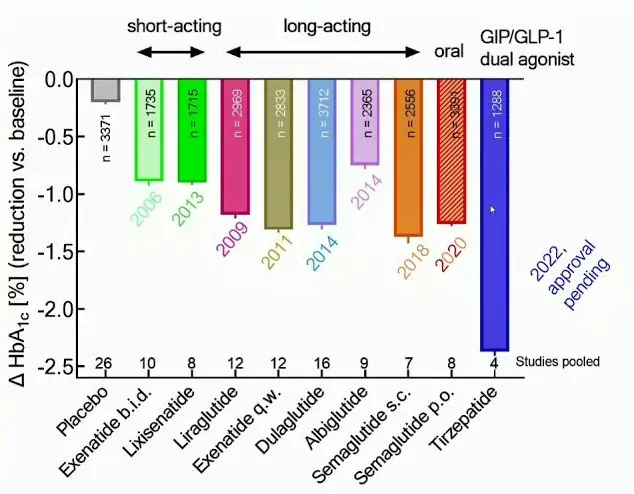
However, the shortcomings of natural GLP-1 are quite obvious: its half-life is less than 2 minutes, and it is rapidly degraded by dipeptidyl peptidase IV (DPP-IV), making it difficult to directly develop into a drug. Scientists have broken through this bottleneck through relay research: first, they discovered structurally similar stable peptides in the saliva of the tarantula, and then modified human GLP-1 through technologies such as fatty acid chain modification, successfully developing long-acting formulations such as liraglutide and smegglutide. These drugs have been widely used in the treatment of type 2 diabetes, not only showing significant blood sugar lowering effects but also improving atherosclerosis, reducing the risk of cardiovascular death, and demonstrating multi-organ protection potential (Meloni C, et al. J Intern Med. 2012;271(6):556-571.).
Today, the research boundaries of GLP-1 (106612-94-6) are constantly expanding. Besides diabetes and obesity, its therapeutic potential in metabolic-related diseases such as non-alcoholic fatty liver disease and heart failure has entered the clinical exploration stage, and it has even begun to show promise in research on neurological diseases such as Alzheimer's disease. Basic research shows that different doses of GLP-1 infusion can dose-dependently enhance glucose-stimulated insulin secretion, providing solid support for subsequent clinical translation.
From its first confirmation of incretin function in 1987 to its current status as a phenomenal therapeutic target, the research history of GLP-1 (106612-94-6) has witnessed the miracle of translation from basic science to clinical application. It not only reveals the intricate network of human metabolic regulation but also brings hope to hundreds of millions of patients with metabolic diseases worldwide. In the future, as the mechanism of action becomes clearer, this "master regulator in the gut" will create even more health possibilities.
References:
1. Meloni C, et al. J Intern Med. 2012;271(6):556-571. (Study on the multi-organ protective effects of GLP-1 analogs)
2. Holst JJ, et al. Diabetes Metab Res Rev. 2009;25(2):130-146. (Classic study on the physiological regulatory mechanism of GLP-1)