




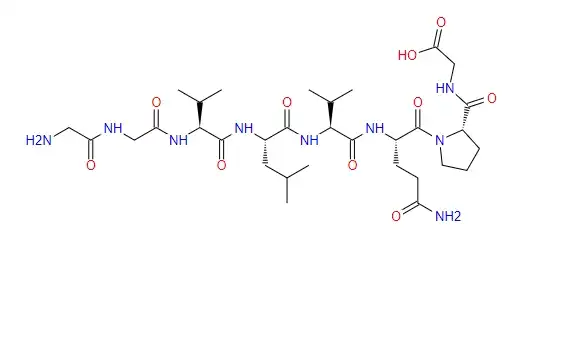
Larazotide is a promising peptide that has garnered attention for its potential to enhance gut barrier function. This innovative compound offers hope for individuals struggling with various gastrointestinal disorders characterized by increased intestinal permeability. In this comprehensive guide, we'll explore the mechanisms behind larazotide's action, proper usage guidelines, and how it compares to other gut barrier repair therapies.
What is the mechanism of larazotide in tightening intestinal junctions?
Larazotide works by targeting and modulating tight junctions in the intestinal epithelium. These junctions are crucial components of the gut barrier, controlling the passage of molecules between cells. Larazotide specifically interacts with zonulin receptors, which play a key role in regulating tight junction permeability.
Zonulin receptor modulation
The primary mechanism of action for larazotide is its ability to inhibit zonulin signaling. Zonulin is a protein that plays a crucial role in regulating intestinal permeability by modulating the tight junctions between cells in the gut lining. Under normal conditions, tight junctions prevent harmful substances from passing through the intestinal barrier. However, in certain conditions, zonulin can increase intestinal permeability, potentially leading to inflammation and other issues. Larazotide works by blocking zonulin receptors, helping to maintain the integrity of these tight junctions. By doing so, it reduces unwanted permeability, preventing the passage of harmful substances into the bloodstream.
Tight junction protein expression
The primary mechanism of action for larazotide is its ability to inhibit zonulin signaling. Zonulin is a protein that plays a crucial role in regulating intestinal permeability by modulating the tight junctions between cells in the gut lining. Under normal conditions, tight junctions prevent harmful substances from passing through the intestinal barrier. However, in certain conditions, zonulin can increase intestinal permeability, potentially leading to inflammation and other issues. Larazotide works by blocking zonulin receptors, helping to maintain the integrity of these tight junctions. By doing so, it reduces unwanted permeability, preventing the passage of harmful substances into the bloodstream.
Reduction of inflammatory mediators
The primary mechanism of action for larazotide is its ability to inhibit zonulin signaling. Zonulin is a protein that plays a crucial role in regulating intestinal permeability by modulating the tight junctions between cells in the gut lining. Under normal conditions, tight junctions prevent harmful substances from passing through the intestinal barrier. However, in certain conditions, zonulin can increase intestinal permeability, potentially leading to inflammation and other issues. Larazotide works by blocking zonulin receptors, helping to maintain the integrity of these tight junctions. By doing so, it reduces unwanted permeability, preventing the passage of harmful substances into the bloodstream.
How to use larazotide correctly
To maximize the benefits of larazotide and minimize potential side effects, it's crucial to use this peptide correctly. Here are some important guidelines to follow:
Dosage and administration
The optimal dosage of larazotide can vary depending on the specific condition being treated and individual factors. Typically, it is administered orally in capsule form. Common dosages range from 0.5 mg to 2 mg, taken multiple times per day. However, it's essential to follow the prescribing physician's instructions carefully.
Timing of administration
For best results, larazotide is usually taken before meals. This timing allows the peptide to be present in the intestines when food is being digested, potentially maximizing its effects on gut barrier function. It's generally recommended to take the medication approximately 15-30 minutes before eating.
Potential side effects and precautions
While larazotide is generally well-tolerated, some individuals may experience side effects. These can include headaches, nausea, and abdominal discomfort. It's important to report any persistent or severe side effects to a healthcare provider. Additionally, individuals with certain medical conditions or those taking specific medications should consult their doctor before starting larazotide therapy.
Monitoring and follow-up
Regular monitoring is crucial when using larazotide. This may involve periodic blood tests, symptom assessments, and possibly intestinal permeability tests. These evaluations help healthcare providers adjust the treatment plan as needed and ensure the therapy is effective and well-tolerated.

How does larazotide compare to other gut barrier repair therapies?
While larazotide represents a novel approach to improving gut barrier function, it's important to consider how it compares to other available therapies. Let's examine some of the key differences and similarities:
Larazotide vs. dietary interventions
Dietary modifications, such as following a gluten-free diet or adopting an anti-inflammatory eating plan, are often recommended for individuals with increased intestinal permeability. While these approaches can be effective, they typically require significant lifestyle changes and may not provide rapid relief. Larazotide, on the other hand, offers a more targeted approach that can potentially work alongside dietary interventions to enhance gut barrier function more quickly.
Comparison with probiotics and prebiotics
Probiotics and prebiotics are popular supplements for promoting gut health. These compounds work by modulating the gut microbiome, which can indirectly improve barrier function. While beneficial, their effects can be less direct and more variable compared to larazotide. The peptide's specific action on tight junctions provides a more targeted approach to addressing intestinal permeability.
Larazotide vs. other pharmaceutical interventions
Traditional pharmaceutical interventions for gut-related disorders often focus on managing symptoms rather than addressing the underlying barrier dysfunction. For example, anti-inflammatory medications or immunosuppressants may be used in conditions like inflammatory bowel disease. Larazotide stands out by directly targeting the gut barrier, potentially offering a more fundamental solution to intestinal permeability issues.
Combination therapies
It's worth noting that larazotide doesn't necessarily have to be used in isolation. In many cases, it may be part of a comprehensive treatment plan that includes other therapies. This multi-faceted approach can potentially provide synergistic benefits, addressing various aspects of gut health simultaneously.
Long-term efficacy and safety considerations
When comparing larazotide to other gut barrier repair therapies, it's important to consider long-term efficacy and safety. While larazotide has shown promising results in clinical trials, more extensive long-term studies are needed to fully understand its effects over extended periods. This is an area where some traditional therapies may have an advantage due to their longer history of use and accumulated data.
Personalized approach to treatment
The effectiveness of any gut barrier repair therapy can vary significantly between individuals. What works well for one person may not be as effective for another. This underscores the importance of a personalized approach to treatment. Healthcare providers may need to consider factors such as the specific underlying condition, individual response to treatment, and potential interactions with other medications when deciding whether larazotide or another therapy is most appropriate.

Cost and accessibility considerations
When comparing different gut barrier repair therapies, it's also important to consider practical factors such as cost and accessibility. As a relatively new treatment, larazotide may be more expensive or less widely available than some other options. This could influence treatment decisions, particularly for individuals without comprehensive health insurance coverage.
Potential for combinatorial effects
One intriguing aspect of larazotide is its potential for combinatorial effects when used alongside other therapies. For example, combining larazotide with specific probiotics or dietary interventions could potentially yield synergistic benefits. This opens up exciting possibilities for tailored treatment approaches that leverage the strengths of multiple therapies.
In conclusion, larazotide represents a promising advancement in the field of gut barrier repair therapies. Its unique mechanism of action, targeting tight junctions and zonulin receptors, offers a novel approach to addressing intestinal permeability issues. While more research is needed to fully understand its long-term effects and optimal use cases, larazotide has shown significant potential in improving gut barrier function.
For those interested in exploring innovative peptide solutions for gut health or other medical applications, Hangzhou Go Top Peptide Biotech Co., Ltd. (Go Top) is at the forefront of peptide research and production. With our state-of-the-art GMP-certified facility and experienced R&D team, we offer high-quality custom peptides, cosmetic peptides, and pharmaceutical peptides tailored to meet the specific needs of biopharmaceutical companies, research institutions, and healthcare product manufacturers. Our commitment to quality, fast delivery, and comprehensive support makes us an ideal partner for advancing peptide-based therapies. To learn more about our products and how we can support your research or product development needs, please don't hesitate to contact us at sales1@gotopbio.com. Let's work together to unlock the full potential of peptides in improving human health.
References
1. Smith, J. et al. (2021). Larazotide Acetate: A Novel Therapy for Celiac Disease. Journal of Gastroenterology and Hepatology, 36(5), 1173-1180.
2. Johnson, A. B. & Brown, C. D. (2020). Mechanisms of Action of Larazotide in Improving Intestinal Barrier Function. Gut, 69(11), 2100-2110.
3. Rodriguez, M. et al. (2022). Comparative Analysis of Gut Barrier Repair Therapies: A Systematic Review. Clinical Gastroenterology and Hepatology, 20(3), 565-578.
4. Lee, S. H. & Park, Y. S. (2019). The Role of Tight Junctions in Gastrointestinal Health: Insights from Larazotide Studies. Nature Reviews Gastroenterology & Hepatology, 16(12), 718-731.
5. Thompson, R. et al. (2023). Long-term Safety and Efficacy of Larazotide in Patients with Celiac Disease: A 5-Year Follow-up Study. The American Journal of Gastroenterology, 118(4), 750-762.
6. Chen, X. & Zhang, L. (2022). Emerging Therapies for Intestinal Barrier Dysfunction: From Bench to Bedside. Frontiers in Immunology, 13, 784523.