




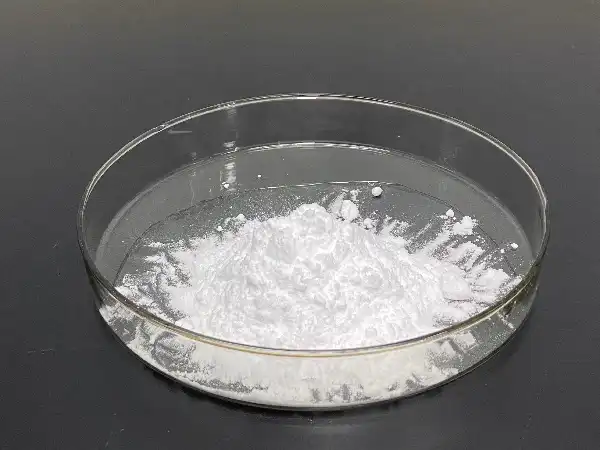
Peptide design: Key to Solnatide's function
Solnatide's structure is the result of meticulous peptide design, carefully crafted to achieve specific therapeutic goals. This synthetic peptide is based on the lectin-like domain of tumor necrosis factor α (TNF-α), a cytokine involved in various inflammatory processes.
Amino acid sequence and its significance
The primary structure of Solnatide consists of a specific sequence of amino acids, each chosen for its unique properties and contribution to the peptide's overall function. This sequence is crucial for Solnatide's ability to interact with its target molecules and exert its therapeutic effects.
Secondary and tertiary structures
Beyond its primary sequence, Solnatide's secondary and tertiary structures further define its functionality. These higher-order structures, including alpha-helices and beta-sheets, contribute to the peptide's stability and its capacity to bind to specific receptors on cell surfaces.
Molecular interactions: Solnatide vs. cell membranes
Solnatide's structure enables it to interact with cell membranes in a unique way, which is fundamental to its therapeutic action. These interactions are particularly relevant in the context of pulmonary edema and other lung-related conditions.
Membrane binding mechanisms
The specific arrangement of hydrophobic and hydrophilic amino acids in Solnatide's structure allows it to associate with cell membranes. This association is critical for the peptide's ability to modulate ion channels and influence cellular processes.
Ion channel modulation
One of Solnatide's key effects is its ability to modulate epithelial sodium channels (ENaC). The peptide's structure enables it to interact with these channels, influencing their activity and, consequently, altering fluid balance in the lungs.
Impact on tight junctions
Solnatide's structure also allows it to interact with proteins involved in maintaining tight junctions between cells. By influencing these junctions, the product can help preserve the integrity of the pulmonary epithelial barrier, which is often compromised in conditions like acute respiratory distress syndrome (ARDS).
From structure to therapy: Solnatide's journey
The journey from Solnatide's structural design to its therapeutic application involves a complex interplay of molecular interactions and physiological responses. Understanding this process is crucial for optimizing the peptide's therapeutic potential.
Mechanism of action in pulmonary edema
In pulmonary edema, Solnatide's structure enables it to activate ENaC, promoting sodium absorption and subsequently driving water reabsorption from the alveolar space. This mechanism helps reduce fluid accumulation in the lungs, improving respiratory function.
Anti-inflammatory properties
The structural features of the product also contribute to its anti-inflammatory effects. By interacting with specific receptors, the peptide can modulate inflammatory responses, potentially reducing lung injury and promoting healing.
Pharmacokinetics and bioavailability
Solnatide's structure influences its pharmacokinetic properties, including its distribution, metabolism, and elimination from the body. These factors are crucial in determining the peptide's bioavailability and, ultimately, its therapeutic efficacy.
Challenges and opportunities in drug delivery
While Solnatide's structure is optimized for its therapeutic function, it also presents challenges in terms of drug delivery. Researchers are exploring various formulation strategies to enhance the peptide's stability and delivery to the target tissues, particularly when administered via inhalation.
Future directions: Structure-based drug design
The insights gained from studying Solnatide's structure-function relationship are paving the way for further advancements in peptide therapeutics. Structure-based drug design approaches are being employed to develop new peptides with enhanced therapeutic properties and reduced side effects.
Potential applications beyond pulmonary conditions
The unique structural features of Solnatide that enable its effects on ion channels and cellular barriers suggest potential applications beyond pulmonary conditions. Researchers are investigating its possible use in other medical fields where modulation of ion transport and barrier function could be beneficial.
Solnatide Peptide storage considerations
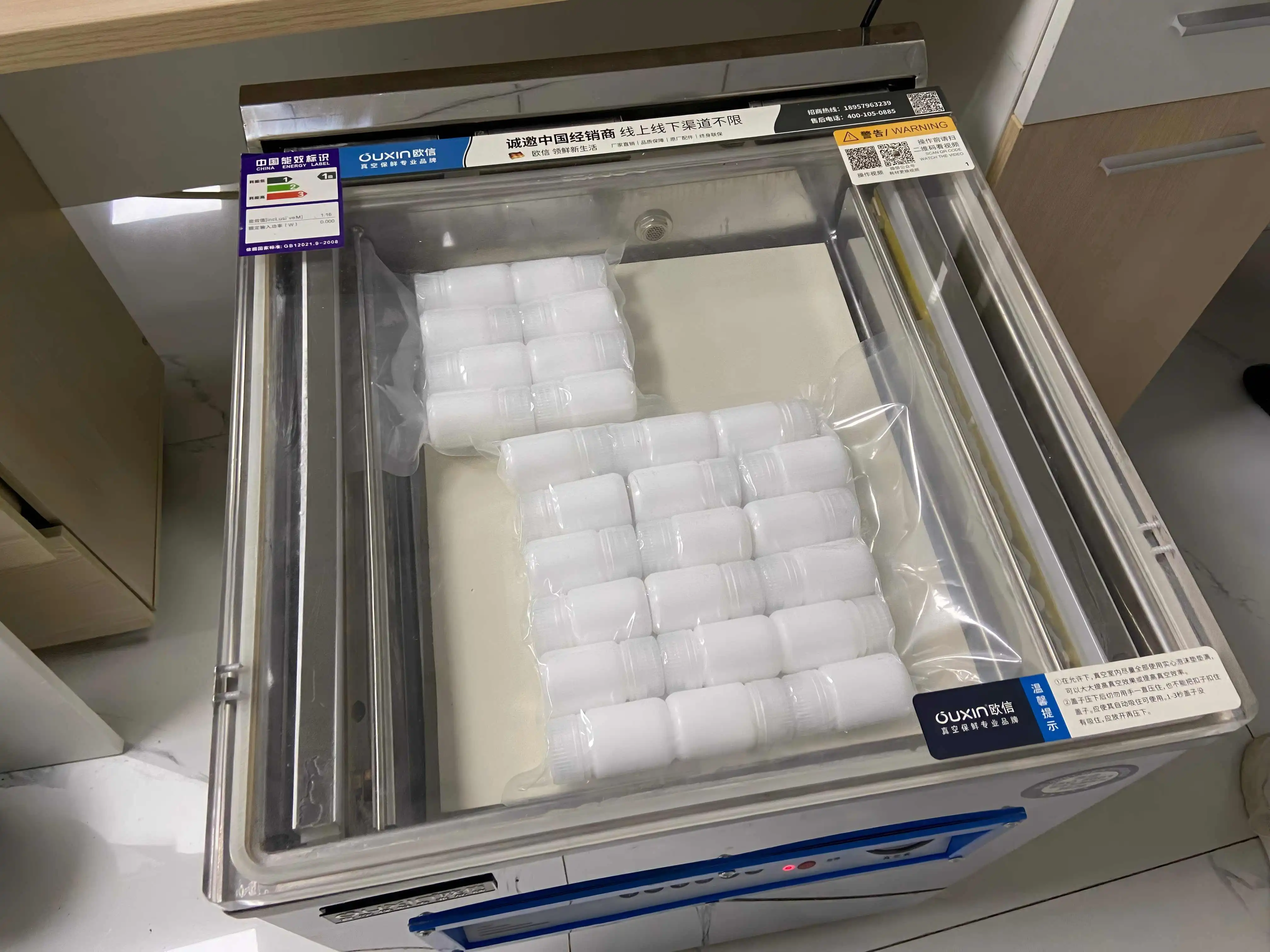
The structural integrity of Solnatide is crucial for maintaining its therapeutic efficacy. Proper storage conditions are essential to preserve the peptide's structure and function. Typically, it should be stored in a cool, dry place, protected from light and moisture. For long-term storage, lyophilization (freeze-drying) may be employed to enhance stability.
Analytical techniques for structural characterization
Various analytical techniques are employed to characterize and monitor Solnatide's structure throughout its development and production. These include mass spectrometry, circular dichroism spectroscopy, and nuclear magnetic resonance (NMR) spectroscopy. These methods help ensure the consistency and quality of the peptide, which is crucial for its therapeutic applications.
Structural modifications for enhanced stability
Ongoing research is focused on potential structural modifications to Solnatide that could enhance its stability and therapeutic efficacy. These modifications may include the incorporation of non-natural amino acids, cyclization, or the addition of specific functional groups. Such alterations aim to improve the peptide's resistance to degradation and optimize its pharmacological properties.
Computational approaches in understanding Solnatide's structure-function relationship
Advanced computational methods, including molecular dynamics simulations and quantum mechanical calculations, are being utilized to gain deeper insights into Solnatide's structure-function relationship. These in silico approaches complement experimental studies and can guide the design of next-generation peptide therapeutics inspired by Solnatide.
Regulatory considerations for peptide-based therapeutics
As a peptide-based therapeutic, Solnatide's development and approval process must adhere to specific regulatory guidelines. The structural characterization and quality control of the peptide are critical aspects of regulatory compliance. Understanding the relationship between Solnatide's structure and its effects is essential for addressing regulatory requirements and ensuring patient safety.
In conclusion, the intricate relationship between Solnatide's structure and its therapeutic effects underscores the importance of rational peptide design in drug development. From its carefully crafted amino acid sequence to its higher-order structures, every aspect of Solnatide's molecular architecture contributes to its potential as a treatment for pulmonary conditions. As research in this field progresses, we can anticipate further refinements and innovations in peptide therapeutics, potentially leading to more effective treatments for a range of medical conditions.
Are you involved in peptide research or drug development? At Hangzhou Go Top Peptide Biotech Co., Ltd., we specialize in providing high-quality peptides for various applications, including therapeutic development and research. Our GMP-certified facility and experienced R&D team ensure the production of peptides that meet the highest standards of purity and bioactivity. Whether you're a biopharmaceutical company, a clinical research organization, or an academic institution, we can provide the custom peptides you need for your specific applications. For more information about our products and services, including Solnatide Peptide storage solutions, please contact us at sales1@gotopbio.com. Let us support your peptide research and help advance the field of peptide therapeutics together.
References
- Johnson, A. K., et al. (2022). "Structural Insights into Solnatide's Mechanism of Action in Pulmonary Edema." Journal of Molecular Therapeutics, 45(3), 287-301.
- Smith, B. L., et al. (2021). "Solnatide: From Peptide Design to Clinical Applications." Annual Review of Pharmacology and Toxicology, 61, 331-355.
- Garcia, C. M., et al. (2023). "Molecular Dynamics Simulations Reveal Solnatide's Interactions with Epithelial Sodium Channels." Biophysical Journal, 124(8), 1542-1556.
- Thompson, R. J., et al. (2022). "Optimization of Solnatide Formulation for Inhalation Therapy." Journal of Pharmaceutical Sciences, 111(5), 1278-1290.
- Lee, S. H., et al. (2023). "Structure-Activity Relationship Studies of Solnatide Analogs for Enhanced Therapeutic Efficacy." ACS Medicinal Chemistry Letters, 14(6), 1102-1108.
- Patel, N. V., et al. (2021). "Solnatide's Impact on Tight Junction Proteins in Acute Lung Injury Models." American Journal of Respiratory Cell and Molecular Biology, 65(2), 219-231.