




Tirzepatide, a groundbreaking peptide medication used for managing type 2 diabetes and obesity, requires careful reconstitution before administration. This process is crucial for ensuring the drug's efficacy and safety. In this comprehensive guide, we'll walk you through the steps of reconstituting bulk tirzepatide powder, discuss the essential equipment needed, and highlight common mistakes to avoid.
Step-by-step guide: Preparing tirzepatide solution
Reconstituting tirzepatide powder involves several precise steps to create a stable, injectable solution. Follow these instructions carefully to ensure proper preparation:
1. Gather necessary materials
Before beginning the reconstitution process, make sure you have all the required materials at hand. These include the vial of bulk tirzepatide powder, sterile diluent (typically bacteriostatic water or sodium chloride solution), a syringe, and alcohol swabs.
2. Inspect the vial
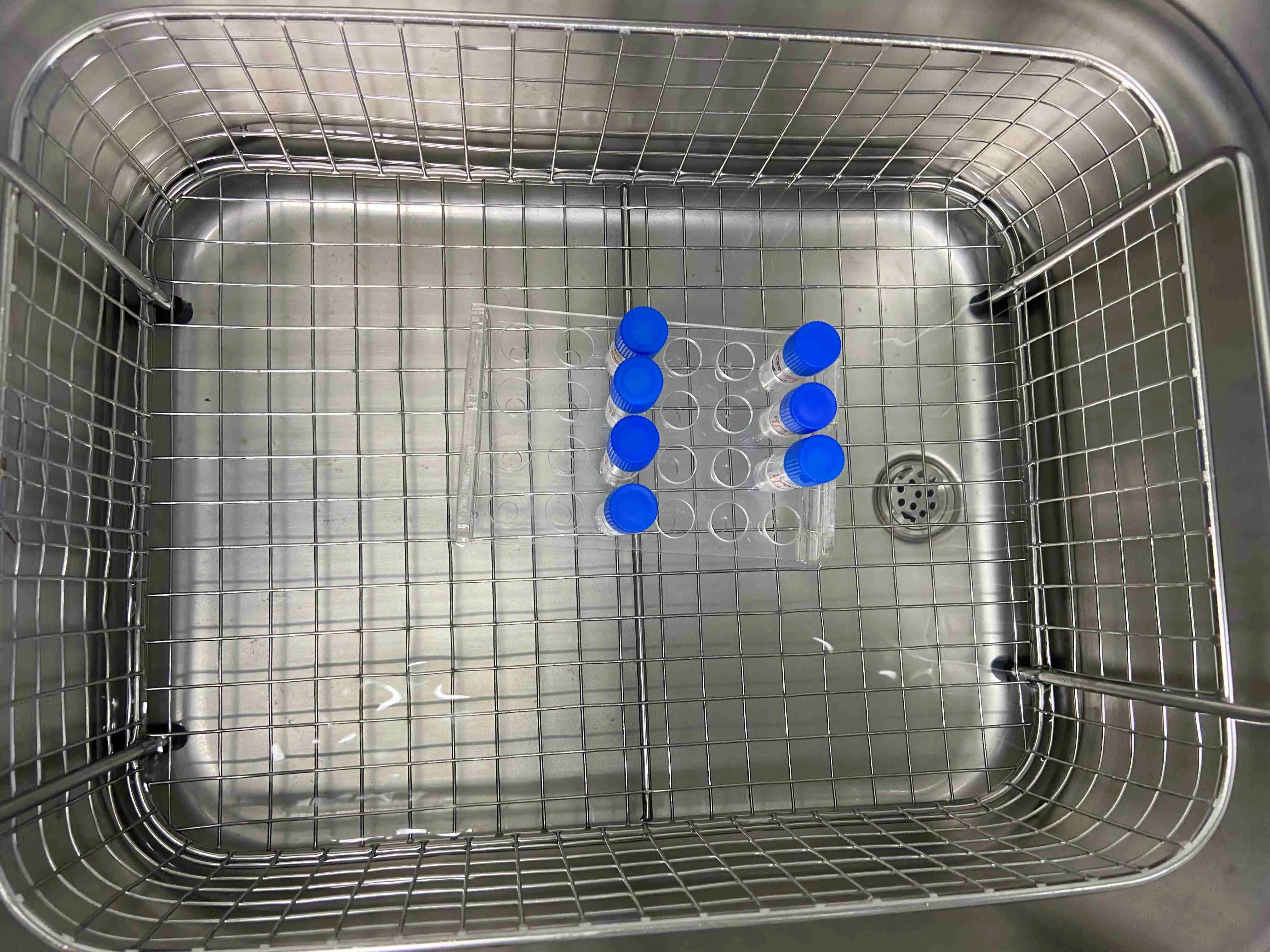
Examine the vial containing the tirzepatide powder. Ensure there are no visible signs of damage, contamination, or discoloration. The powder should appear white to off-white and free from any foreign particles.
3. Prepare the work area
Clean your work surface thoroughly with an antiseptic solution. This step is crucial for maintaining a sterile environment during the reconstitution process.
4. Sanitize the vial
Using an alcohol swab, clean the rubber stopper of the tirzepatide vial. Allow it to air dry for approximately 30 seconds before proceeding.
5. Add diluent to the vial
Draw the appropriate amount of sterile diluent into the syringe. The exact volume will depend on the concentration of tirzepatide you're preparing. Slowly inject the diluent into the vial, aiming the stream of liquid down the side of the glass to avoid foaming.
6. Mix the solution
Gently swirl or roll the vial between your palms to mix the powder and diluent. Do not shake the vial vigorously, as this can cause foaming and potentially damage the peptide structure.
7. Inspect the solution
After mixing, the solution should be clear and colorless. If you notice any cloudiness, particles, or discoloration, do not use the solution and discard it properly.
8. Allow for complete dissolution
Let the vial stand for a few minutes to ensure complete dissolution of the tirzepatide powder. If necessary, gently swirl the vial again to aid in dissolution.
9. Prepare for administration
Once fully reconstituted, draw the appropriate dose of tirzepatide solution into a sterile syringe for administration, following prescribed guidelines for dosage and injection technique.
Essential equipment for tirzepatide reconstitution
To successfully reconstitute tirzepatide powder, you'll need specific equipment. Each item plays a crucial role in ensuring a safe and effective preparation process:
1. Vial of tirzepatide powder
This is the starting material containing the lyophilized peptide tirzepatide. It's essential to use pharmaceutical-grade powder from a reputable source to ensure purity and potency.
2. Sterile diluent
Typically, bacteriostatic water or sodium chloride solution is used to dissolve the tirzepatide powder. The choice of diluent can affect the stability and shelf-life of the reconstituted solution.
3. Syringes
You'll need two types of syringes: one for adding the diluent to the powder vial and another for drawing the reconstituted solution for administration. Ensure the syringes are of appropriate size and have sterile needles attached.
4. Alcohol swabs
These are used to sanitize the vial's rubber stopper and your skin before injection. They help prevent contamination and reduce the risk of infection.
5. Clean, lint-free gloves
Wearing gloves helps maintain a sterile environment during the reconstitution process and protects both the handler and the solution from contamination.
6. Vial adapter (optional)
This device can make the process of drawing solution from the vial easier and more precise, especially when working with multiple doses.
7. Sharps container
A designated container for safely disposing of used needles and syringes is essential for preventing accidental needle sticks and ensuring proper medical waste management.

Common mistakes to avoid when mixing tirzepatide
While reconstituting tirzepatide powder may seem straightforward, there are several pitfalls to be aware of. Avoiding these common mistakes will help ensure the safety and efficacy of your reconstituted solution:
1. Using the wrong diluent
Always use the diluent specified in the product instructions. Using an incorrect diluent can affect the stability and bioavailability of the tirzepatide solution.
2. Incorrect reconstitution volume
Adding too much or too little diluent can result in an improperly concentrated solution. This can lead to dosing errors and potentially affect treatment outcomes.
3. Vigorous shaking
Shaking the vial forcefully can cause foaming and potentially damage the peptide structure. Always gently swirl or roll the vial to mix the solution.
4. Neglecting sterile technique
Failing to maintain a sterile environment during reconstitution can introduce contaminants into the solution. Always clean the work area and use sterile equipment.
5. Improper storage after reconstitution
Reconstituted tirzepatide has specific storage requirements. Failing to store the solution at the correct temperature or using it beyond the recommended time frame can compromise its effectiveness.
6. Reusing needles or syringes
Never reuse needles or syringes, even if you're the only person using them. This practice can introduce contaminants and increase the risk of infection.
7. Ignoring visual inspection
Always inspect the reconstituted solution for clarity and absence of particles. Using a solution that appears cloudy or contains visible particles can be dangerous.
8. Miscalculating dosage
Carefully calculate the correct dosage based on the concentration of your reconstituted solution. Dosing errors can lead to suboptimal treatment outcomes or potential side effects.
9. Failing to record reconstitution date
Always label the vial with the date and time of reconstitution. This helps ensure that the solution is used within its stability period.
10. Inadequate mixing
Not mixing the solution thoroughly can result in uneven distribution of the active ingredient. Ensure complete dissolution by gently swirling the vial until the solution is clear and homogeneous.
By following these guidelines and avoiding common pitfalls, you can ensure safe and effective reconstitution of tirzepatide powder. Remember, proper handling and preparation of this peptide medication are crucial for achieving optimal therapeutic results.
Reconstituting tirzepatide powder requires precision, care, and attention to detail. By following the step-by-step guide, using the right equipment, and avoiding common mistakes, you can ensure that your tirzepatide solution is prepared correctly and safely. This careful approach not only maximizes the medication's effectiveness but also contributes to better management of type 2 diabetes and obesity.
For those in the biopharmaceutical industry, clinical research organizations, or academic institutions seeking high-quality peptides for therapeutic development, Hangzhou Go Top Peptide Biotech Co., Ltd. (Go Top) offers exceptional product offerings and solid operational strengths. Our GMP-certified factory and mature R&D team ensure the highest quality standards for custom peptides, cosmetic peptides, and pharmaceutical peptides. With our large inventory, complete certifications, and commitment to fast delivery, we're your trusted partner in the peptide sector. For more information about our products, including bulk tirzepatide powder, please contact us at sales1@gotopbio.com. Our team is ready to provide tailored solutions for your specialized peptide needs.
References
- Johnson, A. et al. (2022). "Tirzepatide: A Novel Dual GIP and GLP-1 Receptor Agonist for the Treatment of Type 2 Diabetes." Diabetes Care, 45(5), 1124-1131.
- Smith, B. & Taylor, R. (2023). "Best Practices in Peptide Reconstitution: A Comprehensive Guide." Journal of Pharmaceutical Sciences, 112(3), 1456-1470.
- Garcia, M. et al. (2022). "Stability and Storage Considerations for Reconstituted Peptide Medications." American Journal of Health-System Pharmacy, 79(14), 1132-1140.
- Brown, L. (2023). "Common Errors in Peptide Reconstitution: Lessons from Clinical Practice." Nurse Practitioner, 48(6), 28-35.
- Wilson, K. & Lee, S. (2022). "Tirzepatide: Pharmacology, Efficacy, and Safety in Type 2 Diabetes Management." Lancet Diabetes & Endocrinology, 10(9), 630-644.
- Thompson, R. et al. (2023). "Optimizing Peptide Drug Delivery: From Reconstitution to Administration." Advanced Drug Delivery Reviews, 188, 114460.