




What Is MOTS-c?
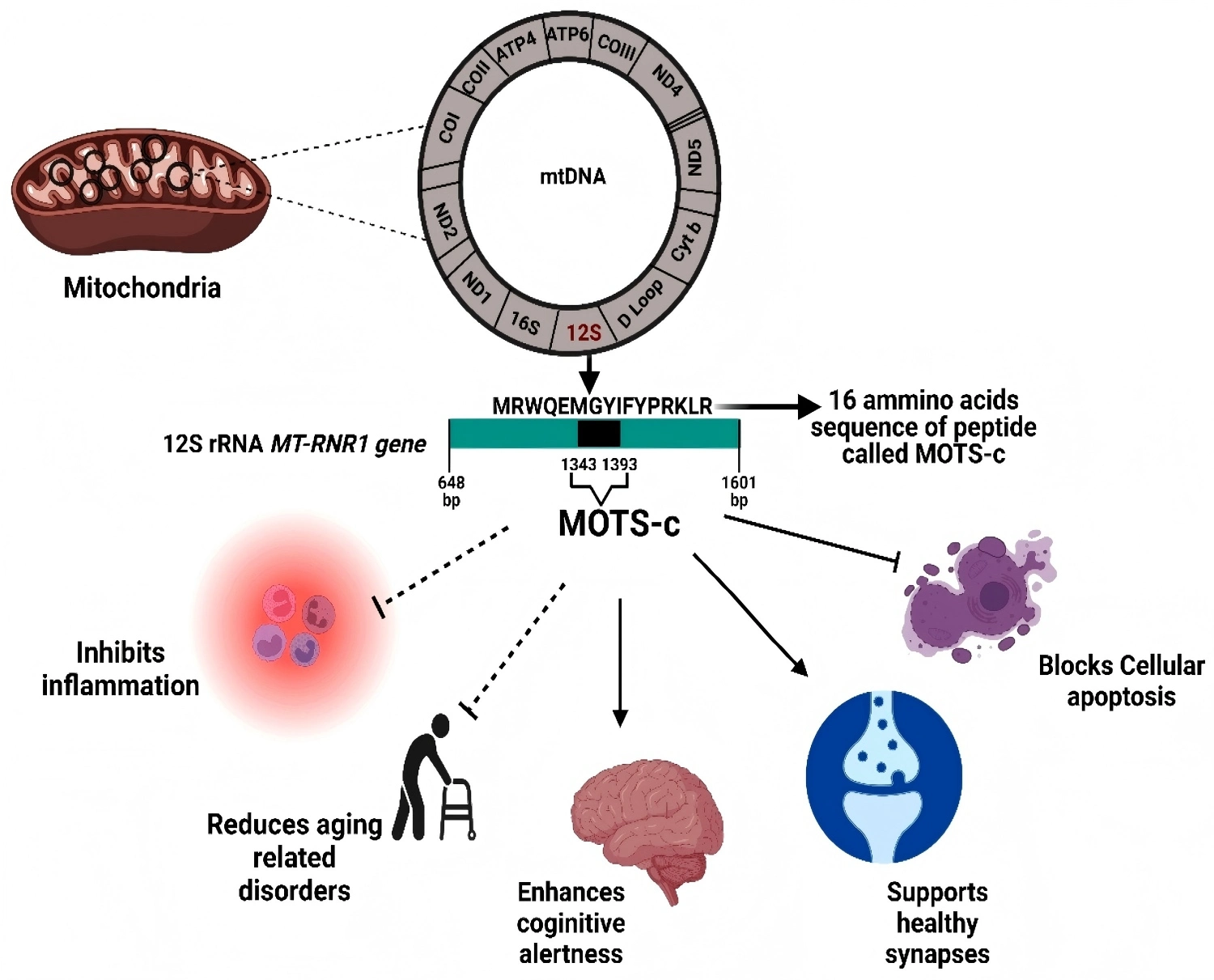
MOTS-c (Mitochondrial Open Reading Frame of the 12S rRNA Type-c) is a 16-amino-acid peptide encoded by mitochondrial DNA—not nuclear DNA like most peptides. That’s a game-changer.
Discovered in 2015, MOTS-c is part of a new class of compounds called mitochondrial-derived peptides (MDPs), and it’s quickly becoming one of the most exciting peptides in both the anti-aging and performance enhancement communities.
This peptide acts as a master regulator of cellular metabolism, primarily through activation of AMPK (a key cellular energy sensor), improvement in insulin sensitivity, and increased fat oxidation.
Unlike growth hormone peptides or androgenic agents, MOTS-c works by enhancing energy efficiency at the cellular level—making it incredibly useful for bodybuilders, endurance athletes, and anyone trying to lose fat while maintaining muscle.

How MOTS-c Works
MOTS-c’s power lies in its effect on the mitochondria—the energy factories of your cells.
Here’s how it works:
Activates AMPK: Encourages fat burning and glucose uptake
Increases mitochondrial biogenesis: More mitochondria = more energy
Enhances insulin sensitivity: Better glucose partitioning to muscle vs fat
Protects against oxidative stress: Anti-inflammatory, DNA-protective properties
Improves exercise capacity: Delays fatigue by improving energy substrate use
In simple terms, MOTS-c helps your body use energy more efficiently, especially under metabolic stress like intense training, calorie deficits, or aging.
Human and Animal Trials: What the Research Says
1. Improved Endurance in Mice
In the original 2015 landmark study, mice injected with MOTS-c saw two-fold improvements in running time on a treadmill, despite being untrained. Even more impressively, they showed enhanced glucose metabolism and fat burning.
2. Insulin Sensitivity & Weight Loss
In another trial, MOTS-c-treated mice on a high-fat diet gained 50% less fat than controls, without a change in food intake. Glucose tolerance also improved significantly.
3. Human Trials (2020–2024)
Recent human trials show that MOTS-c levels decline with age and metabolic dysfunction. Supplementation in middle-aged and elderly men led to:
Increased resting energy expenditure
Improved skeletal muscle insulin signaling
Reduced fasting glucose and inflammation markers
Greater fat loss over 12 weeks when combined with exercise
MOTS-c has also been tested in clinical settings for type 2 diabetes, frailty, and mitochondrial diseases—with promising results in each.
In an era dominated by GLP-1s, growth hormone analogs, and bulk-focused compounds, MOTS-c is the lifter’s biohacking tool for longevity and performance.

References
Lee C, Zeng J, Drew BG, et al. “The Mitochondrial-Derived Peptide MOTS-c Promotes Metabolic Homeostasis and Reduces Obesity and Insulin Resistance.” Cell Metabolism.
Reynolds JC et al. “MOTS-c is an Exercise-Induced Mitochondrial-Encoded Regulator of Age-Dependent Physical Decline and Muscle Homeostasis.” Nature Communications.
Reddit r/Biohackers, r/SARMs, r/PeptidesUsers discussion threads, 2023–2025
Tezapsidis N, Shapira I. “Clinical Potential of Mitochondrial-Derived Peptides in Obesity, Diabetes, and Aging.” Biogerontology.
Jang JY et al. “MOTS-c Enhances Insulin Sensitivity and Fat Metabolism in Older Adults.” Journal of Endocrinology & Agin