




Keyword:Oxytocin,50-56-6,Oxytocin Peptide
Oxytocin is a naturally occurring hormone and neuropeptide that plays a crucial role in human physiology and behavior. Often referred to as the “love hormone” or “bonding hormone,” oxytocin is best known for its involvement in social bonding, childbirth, and emotional regulation. However, its functions extend far beyond these commonly recognized roles, influencing everything from stress responses to metabolism.
Produced primarily in the hypothalamus and released by the posterior pituitary gland, oxytocin acts both as a hormone in the bloodstream and as a neurotransmitter in the brain. This dual function allows it to coordinate complex interactions between the body and the mind, making it a key player in both physical and psychological health.
Oxytocin and Social Bonding
One of the most well-known functions of oxytocin is its role in social bonding and emotional connection. It is released during close physical contact such as hugging, touching, and intimate interactions, helping to strengthen interpersonal relationships.
Oxytocin is particularly important in maternal bonding. During childbirth and breastfeeding, oxytocin levels rise significantly, promoting attachment between mother and infant. It also plays a role in romantic relationships, trust formation, and social recognition.
Research suggests that oxytocin enhances feelings of empathy, reduces social anxiety, and increases trust between individuals. These effects have led to growing interest in oxytocin as a potential therapeutic target for conditions such as autism spectrum disorders and social anxiety.
Role in Childbirth and Lactation
Oxytocin is essential for reproductive physiology, particularly during labor and breastfeeding. During childbirth, oxytocin stimulates uterine contractions, helping facilitate the delivery of the baby.
After birth, oxytocin continues to play a key role by triggering the milk ejection reflex (also known as the let-down reflex) during breastfeeding. When an infant suckles, oxytocin is released, causing the muscles around the mammary glands to contract and release milk.
Because of these effects, synthetic oxytocin is commonly used in medical settings to induce or augment labor and to prevent postpartum hemorrhage.
Effects on Stress and Anxiety
Oxytocin also has important effects on the body’s stress response. It interacts with the hypothalamic–pituitary–adrenal (HPA) axis, which regulates the release of stress hormones such as cortisol.
Studies have shown that oxytocin can reduce cortisol levels and promote relaxation. It is often associated with a calming effect, helping to counteract anxiety and stress. This is one reason why social interactions and physical touch can have a soothing impact on mental health.
In addition, oxytocin may enhance emotional resilience and improve coping mechanisms during stressful situations.
Influence on Behavior and Brain Function
As a neuropeptide, oxytocin plays a significant role in brain function and behavior. It affects areas of the brain involved in reward, emotion, and social cognition, including the amygdala and prefrontal cortex.
Oxytocin can modulate fear responses, improve social memory, and enhance the perception of social cues such as facial expressions. These effects are critical for normal social functioning.
Researchers are also investigating oxytocin’s role in psychiatric and neurological conditions. Altered oxytocin signaling has been linked to disorders such as depression, autism, and schizophrenia.
Potential Metabolic and Physical Effects
Beyond its psychological and reproductive roles, oxytocin may also influence metabolic processes. Emerging research suggests that oxytocin could play a role in regulating appetite, energy balance, and body weight.
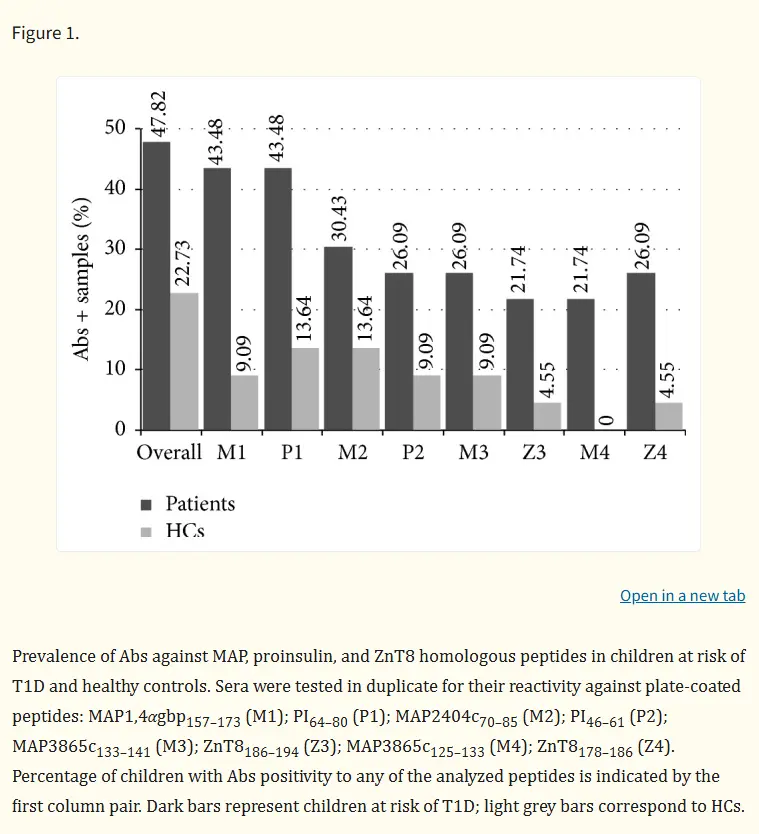
Some studies indicate that oxytocin may reduce food intake and improve glucose metabolism, although these findings are still under investigation. Additionally, oxytocin has been associated with cardiovascular regulation, including effects on blood pressure and heart function.
These broader physiological roles highlight the hormone’s importance beyond its traditional functions.
Medical Uses of Oxytocin
In clinical practice, oxytocin is used as a medication for several important indications. Synthetic oxytocin (often known as Pitocin) is widely used to induce labor, strengthen uterine contractions, and reduce bleeding after childbirth.
Researchers are also exploring its potential use in mental health treatment, including anxiety disorders, depression, and social dysfunction. However, these applications are still experimental and require further study.
Because oxytocin affects multiple systems in the body, its therapeutic use must be carefully controlled and monitored.
Conclusion
Oxytocin is a multifunctional hormone that plays a vital role in both physical and emotional health. From facilitating childbirth and breastfeeding to promoting social bonding and reducing stress, its effects are wide-ranging and deeply integrated into human biology.
As research continues, scientists are uncovering new roles for oxytocin in metabolism, brain function, and disease treatment. This expanding understanding highlights the hormone’s importance not only in human relationships but also in overall health and well-being.