




What Is Progeline?
Progeline is abiomimetic peptide-trifluoroacetyl tripeptide-2designed toinhibit the production ofprogerin, a mutated form of lamin A protein associated withcellular senescence and tissue degeneration. While the names may sound similar,Progeline and progerin serve opposite roles: one protects the skin, the other accelerates its aging.
This peptide works bysignaling dermal cells to decrease progerin synthesis, thereby helping to preserve structural proteins such as collagen and elastin.Unlike general anti-aging agentsthat focus solely on hydration or antioxidant action, Progelineaddresses the root cause of tissue agingat the molecular level. Furthermore, Progeline is formulated topenetrate deeply into the dermis, making it ideal fortargeted deliveryvia serums, creams, or even topical formulations applied post-treatment.
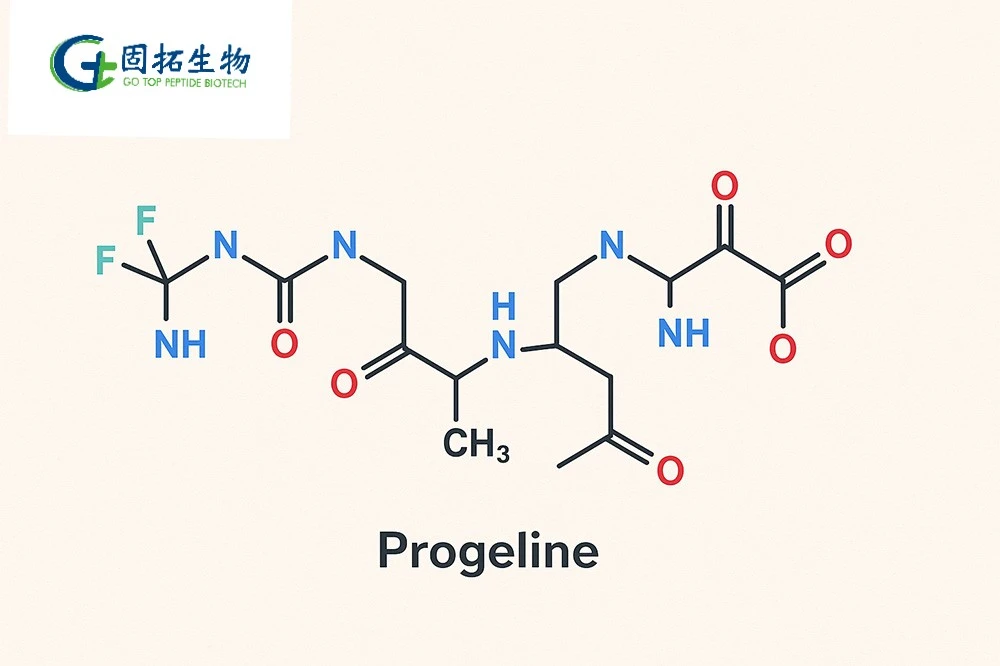
Common Treatment Areas and Indications for Progeline
Progeline’stargeted firming and anti-aging benefitsmake it highly suitable forspecific regions of the face and bodywhere skin sagging and loss of elasticity are most pronounced:
- Lower face:Particularly effective along the jawline, marionette lines, and nasolabial folds.
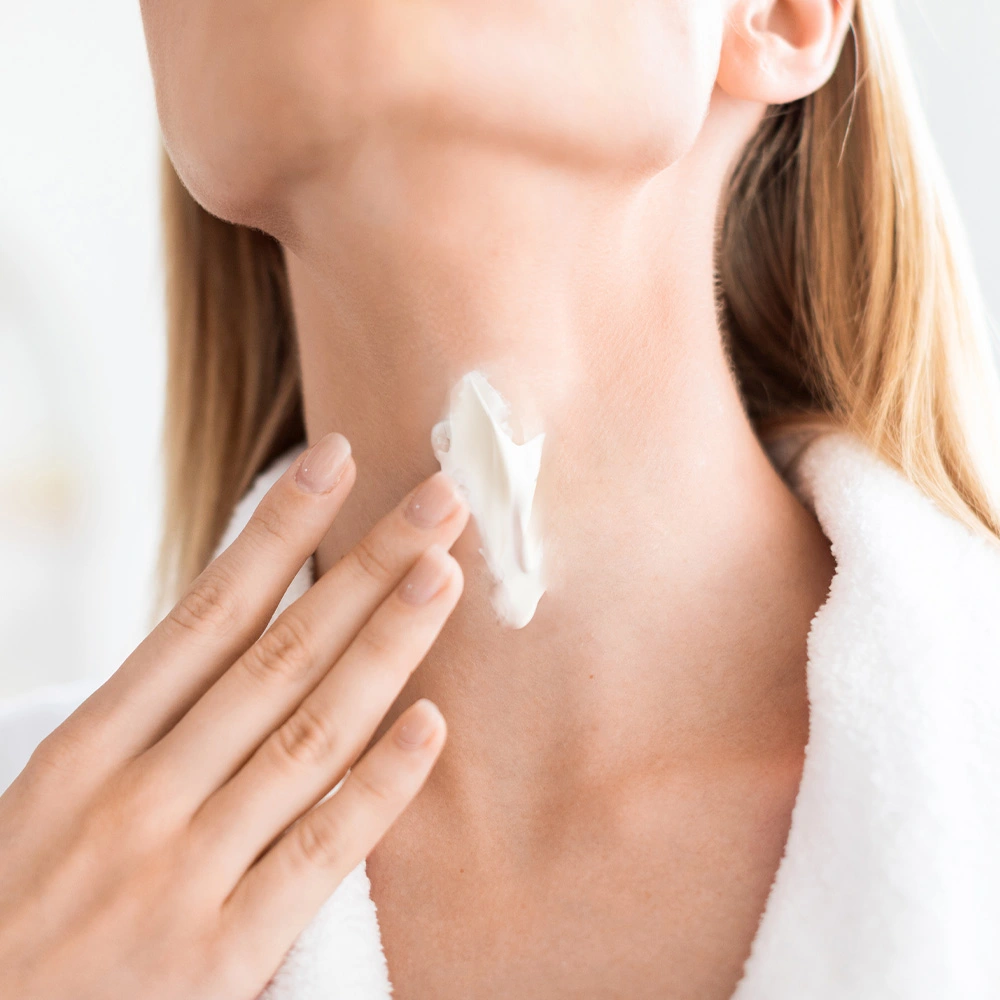
- Neck and décolleté:Improves skin tone and reduces crepiness in thinner, delicate areas.
- Eye contour:When used in specialized formulations, it may support firmness in the under-eye area.
- Post-procedure maintenance: Often applied after treatments like microneedling, RF, or laser to enhance healing and structural support.
- Preventive care:Indicated for younger patients showing early signs of laxity or dullness.
What’s Driving the Rise in Progeline Use?
Progeline’s unique ability toreduce progerin accumulationgives it acompetitive edge over traditional anti-aging peptides. One reason for its rapid adoption is itspresence in high-performance cosmeceuticalsand luxury skincare lines, often marketed asProgeline-infused creams or Progeline peptide serums. These formulations are often paired with other actives, such as hyaluronic acid, vitamin C, and growth factors, for enhanced rejuvenation effects.
Additionally, earlyclinical trials and in vitro studieshave shownimprovements in dermal thickness, elasticity, and overall skin tone. Combine that withendorsements from influencers and celebrity skin experts, and it’s clear whyProgeline skincare benefitsare now a focal point in bothclinical and consumer skincare conversations.
Integrating Progeline into Advanced Skin Protocols
AProgeline peptide creamcanenhance post-procedural healingwhile boosting skin-firming outcomes. Practitioners also report success usingProgeline in combination with retinoids, Matrixyl 3000, or Argireline, depending on thepatient’s unique aging patternand skin resilience. This layering approach supports bothpreventive care and visible rejuvenation.
Progeline Skincare Benefits and Clinical Observations
The followingclinically observed benefitshighlight why Progeline is becoming acornerstone of advanced anti-aging skincareprotocols:
- Enhances skinfirmness, smoothness, and dermal remodeling.
- Patients reportnoticeable improvementsin jawline contour, tightness, and reduced sagging with Progeline creams and serums.
- Especiallyeffective in areas with mild to moderate skin laxity,such as the neck, jawline, and lower cheeks.
- Progressiveimprovements in skin density and texture.
- Results are bothcosmetic and structural, offering long-term anti-aging benefits.
What Practitioners Should Know
For optimal outcomes, thequality and sourceof the Progeline matter. Clinicians should ensure thepeptide is present at therapeutic concentrationsand that the productmaintains stability throughout its shelf life.
Equally important ispatient education. Progeline's effects are amplified withconsistentskincare habits.Hydration and UV protectionshould be emphasized as part of thepeptide-based regimento prevent environmental degradation of newly supported dermal structures.
Identifying the Right Patients for Progeline-Based Care
Progeline isnot for everyone, and identifying theright candidateshelps ensure optimal results:
- Best suited forpatients in their 30s to 50sshowing early signs of collagen loss or laxity.
- Ideal for patients inearly to moderate stages of aging.
- Suitable for those whoprefer non-invasive skincare solutionsover injectables.
- Helpful forpost-treatment maintenance, especially after fillers or radiofrequency (RF) therapy.
- Addressesvisible sagging, loss of elasticity, and dullnessdue to hormonal changes or stress.
- Beneficial forsensitive skin typeswho cannot tolerate aggressive treatments.
- Appropriate for patients seeking toprolong youthful skin appearancewith ongoing peptide therapy.
- Especially valuable for individuals with apreventative mindset toward aging.
Potential Side Effects and Clinical Complications
Whilegenerally safe, clinicians should remain aware of afew rare but possible reactions:
- Mild redness or irritation, particularly in sensitive skin types.
- Adverse effects may occur when combinedwith acids, retinoids, or overlayered actives.
- Risk of peptide intolerancewhen barrier function is compromised.
- Patch testing is advised beforestarting any high-concentration peptide protocol.
- Rare cases ofallergic-type responses, typically due to other formulation components.
How Progeline Compares to Other Anti-Aging Peptides
Compared topeptides like Matrixyl (palmitoyl pentapeptide) or Argireline (acetyl hexapeptide), Progeline offers adistinct mechanism of action. While Matrixylenhances collagen synthesisand Argirelinereduces muscular tensionsimilar to Botox, Progelineuniquely targets the accumulation of progerin.
This gives Progeline anadvantage in treatmentsfocused on tissue laxity and skin saggingrather than superficial wrinkles. For patients withjowls, hollowing, or age-related flattening of facial features, a peptide Progeline cream mayoutperform other peptide-based productsin delivering long-term dermal support. Also, itscompatibility with these productsallows foradvanced layering strategies, making Progeline, Matrixyl 3000, and Argireline apotent anti-aging trioin medical aesthetics.
Final Thoughts
Progeline is emerging as ascientifically backed peptidethat targets aging at itsmolecular roots, making it apowerful additionto modern aesthetic skincare protocols. With itsproven versatility, compatibility, and effectivenessin non-invasive rejuvenation, Progeline supportslong-term skin health and visible firming results.
FAQs
How do you reduce progerin in the skin?
Reducing progerin requires interventions that inhibit its synthesis or neutralize its effects. Peptides like Progeline are specifically designed to reduce progerin levels and improve dermal function.
Does vitamin D reduce progerin?
Some studies suggest that vitamin D may play a role in reducing progerin expression, particularly in keratinocytes. However, more research is needed to confirm its efficacy in clinical skincare.
What is the best peptide to produce collagen?
Matrixyl (palmitoyl pentapeptide) is considered one of the most effective peptides for stimulating collagen production. It enhances skin plumpness and supports long-term structural integrity.
What is the most powerful anti-aging peptide?
There’s no one most powerful peptide, but Progeline, Matrixyl, and Argireline each offer unique anti-aging effects. Progeline stands out for targeting tissue sagging and cellular degeneration.
What causes progerin to increase?
Progerin increases due to cellular aging, genetic mutations, oxidative stress, and environmental exposure, like UV damage. Preventive skincare and targeted peptides can mitigate its buildup.
Where does Progeline come from?
Progeline is a lab-engineered biomimetic peptide derived from amino acid chains. It is not sourced from animals or plants but synthesized for stability and precision in skincare formulations.
References:
- Shariati Pour SR, Oddis S, Barbalinardo M, et al.Delivery of active peptides by self-healing, biocompatible, and supramolecular hydrogels.Molecules. 2023;28(6):2528. doi:10.3390/molecules28062528.https://pmc.ncbi.nlm.nih.gov/articles/PMC10057174/
- Schagen SK.Topical peptide treatments with effective anti-aging results.Cosmetics. 2017;4(2):16. doi:10.3390/cosmetics4020016.https://www.researchgate.net/publication/317120448_Topical_Peptide_Treatments_with_Effective_Anti-Aging_Results
- Yadav AR, Mohite SK. Potential role of peptides for the development of cosmeceutical skin products. Research Journal of Topical and Cosmetic Sciences. 2020;11(2):77-82. doi:10.5958/2321-5844.2020.00014.X.https://rjtcsonline.com/HTML_Papers/Research%20Journal%20of%20Topical%20and%20Cosmetic%20Sciences__PID__2020-11-2-6.html
- Baumann L.Progeline in Skin Care: Trifluoroacetyl Tripeptide-2. Skin Type Solutions. August 6, 2024. Accessed July 9, 2025.https://skintypesolutions.com/blogs/skincare/Progeline-in-skincare-trifluoroacetyl-tripeptide-2
- Doctor's Desk.Anti-Aging Benefits of Progeline Cream.Clinikally. August 30, 2024. Accessed July 9, 2025.https://www.clinikally.com/blogs/skincare/anti-aging-benefits-of-Progeline-cream
- INCI Guide.ProgelineTM– Trifluoroacetyl Tripeptide-2.Accessed July 9, 2025.https://inci.guide/peptides/Progelinetm
- Sanders K.Unlocking the Secrets of Progeline: Revolutionizing Complexion Care.Reviva Labs. March 17, 2023. Accessed July 9, 2025.https://www.revivalabs.com/unlocking-the-secrets-of-Progeline-revolutionizing-complexion-care/