




Keyword:Setmelanotide,920014-72-8,Setmelanotide Therapeutic Peptide
Breakthrough of MC4R Agonists: Solving the Therapeutic Dilemma of Genetic Deficiency-Related Obesity
In the field of obesity research, not all cases of obesity can be improved by diet and exercise. Rare forms of obesity caused by genetic defects have long lacked targeted therapeutic options. The emergence of Setmelanotide (CAS No. 920014-72-8) has brought a turning point for these patients. As a melanocortin-4 receptor (MC4R) agonist, it has become a representative exploration of precision medicine in rare disease treatment through its unique mechanism of action.
Core Mechanism: Targeting the MC4R Pathway to Address the Root Cause of Rare Obesity
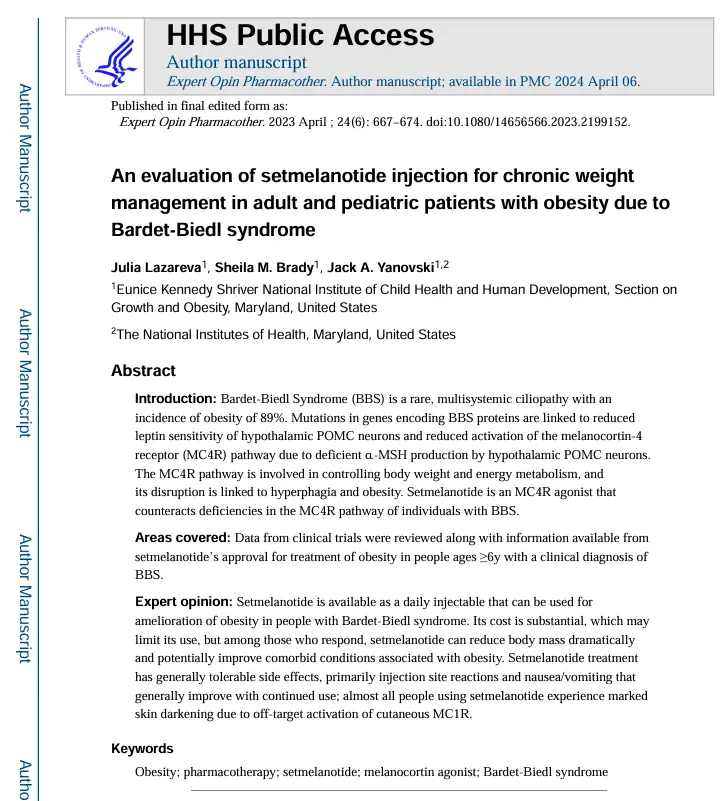
The core value of Setmelanotide lies in its targeted regulation of the MC4R pathway, a key system in the hypothalamus that controls appetite and energy metabolism. Dysfunction of this pathway directly leads to hyperphagia and obesity. According to a 2023 study in Expert Opinion on Pharmacotherapy, 89% of patients with Bardet-Biedl syndrome (BBS) develop obesity, which stems from insufficient secretion of α-melanocyte-stimulating hormone (α-MSH) caused by BBS gene defects, resulting in failure to activate the MC4R pathway.
Clinical Data: Definitive Efficacy Across All Age Groups
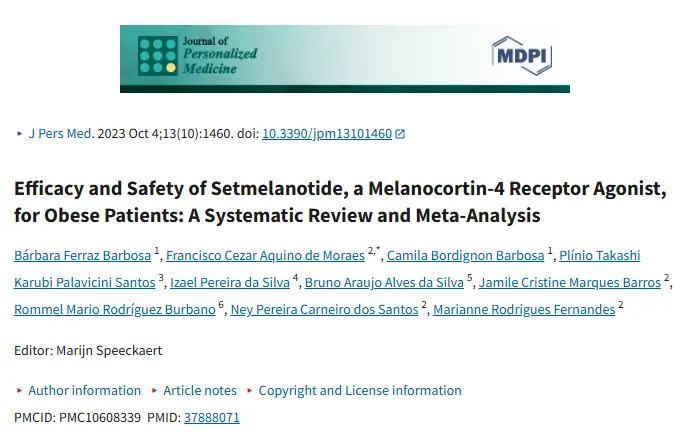
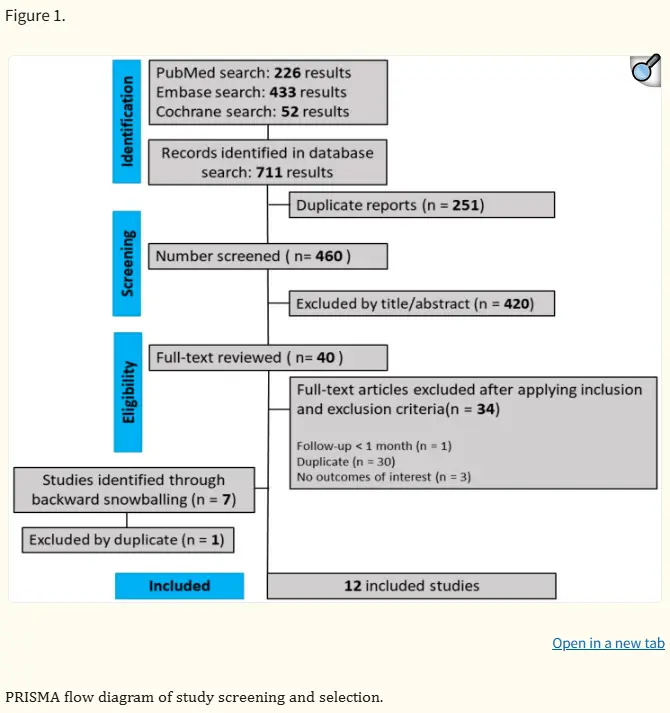
As a synthetic MC4R agonist, Setmelanotide binds directly to and activates MC4R, compensating for insufficient endogenous α-MSH and restoring the balance between appetite and energy metabolism. A meta-analysis of 376 patients showed that after 52 weeks of Setmelanotide treatment, mean body weight decreased by 6.91%, BMI was significantly reduced, and hunger was markedly relieved. Notably, it is also effective in pediatric patients: the Phase III VENTURE trial confirmed significant weight control in children aged 2–5 years with rare MC4R pathway-related obesity.
Clinical Application and Safety: Approved and Well-Tolerated
Setmelanotide is currently approved for the treatment of obesity in patients aged ≥6 years with BBS, as well as obesity caused by POMC or LEPR gene defects. It is the first precision drug worldwide targeting abnormal MC4R signaling (EMA, 2025). Common adverse reactions include injection-site reactions and skin hyperpigmentation, which mostly resolve with continued treatment, and overall tolerability is favorable.
Summary and Outlook: Empowered by Precision Medicine to Benefit Small Patient Populations
The development of Setmelanotide—from research to clinical practice—demonstrates the power of precision medicine. It not only provides a new therapeutic option for patients with rare genetic obesity but also promotes the deep integration of obesity etiology and pharmacology. With further research, this compound may offer new strategies for treating more metabolic diseases, extending precision therapy to more underserved patient groups.