




In the field of bioregulatory peptide research, Testagen (CAS: 1026993-38-3) has gradually become a research focus due to its targeted regulatory effects on the endocrine and reproductive systems. This short-chain amino acid complex derived from testicular tissue is not a hormone replacement in the traditional sense, but regulates the body's own functions through molecular signal transduction, and its unique mechanism of action has been verified in a number of preclinical studies.
As a tissue-specific bioregulator, the core value of Testagen lies in its regulatory effect on the hypothalamic-pituitary-gonadal (HPG) axis. Studies have shown that it can promote testosterone biosynthesis by stimulating the activity of Leydig cells and improving testicular tissue metabolism, while enhancing the transcriptional activity of nucleic acid polymerase in reproductive organs to facilitate cell regeneration and protein synthesis. Different from the forced intervention of synthetic hormones, this regulatory mode is more inclined to restore the body's own endocrine feedback balance, providing a new perspective for research on age-related testicular function decline and post-stress recovery.
Its scope of action is not limited to the reproductive system. Experimental data indicate that Testagen acts primarily on the pituitary gland, thereby influencing thyroid function, and exerts a moderate regulatory effect on the immune system indirectly by normalizing thyroid hormone secretion. In hypophysectomized avian models, Testagen can directly alter the protein expression pattern in the pituitary gland, promote the release of thyroid-stimulating hormone (TSH), and ultimately restore thyroid hormone levels to near-normal status. This finding provides an important reference for research related to pituitary dysfunction.
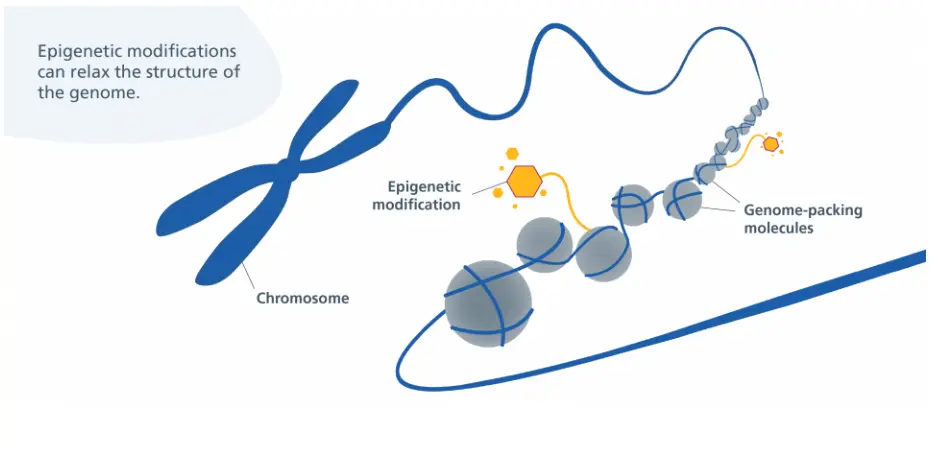
Notably, the low molecular weight of Testagen enables it to penetrate cell membranes and nuclear membranes, interact directly with DNA regulatory regions, and participate in the regulation of epigenetic modifications and the expression of genes associated with stem cell differentiation. This molecular-level mechanism of action makes it not only applicable to the research of endocrine and reproductive health, but also an important scientific research tool for exploring peptide-DNA interactions and transcriptional regulatory mechanisms.
At present, relevant research on Testagen is still focused on the preclinical stage, and its potential in anti-aging, immune function optimization and other fields is still being further explored. As a high-purity bioregulatory peptide (HPLC≥98.0%), it provides a unique research carrier for scientists to analyze the network regulation of the endocrine system, and also lays a foundation for future intervention research on related diseases.
Keyword:Testagen ,1026993-38-3,Testagen Bioregulatory Peptides,testagen peptide dosage