




Semaglutide injection is a new type of hypoglycemic drug used in the treatment of type 2 diabetes. In clinical trials, it can improve the release of insulin in the body, reduce the diffusion of glucose stored in the liver into the blood, and also has a certain effect on appetite control, while helping patients lose weight. During the course of the trial, the probability of hypoglycemia was relatively low, which had a very good cardiovascular protective effect.
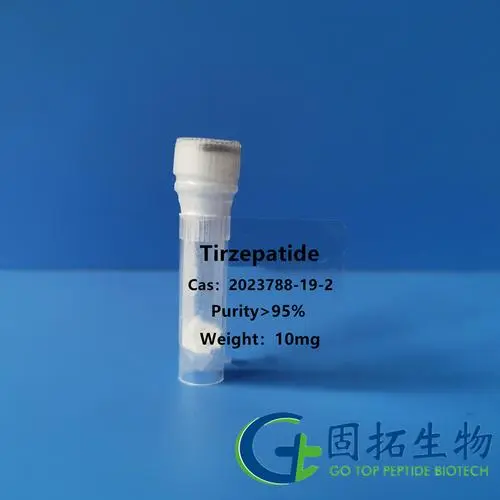
Therefore, injectable semaglutide is generally preferred in patients with diabetes and those with cardiovascular disease. However, during the use of semaglutide injection, there may be nausea and vomiting, abdominal diarrhea, nausea and other adverse reactions. As soon as semaglutide showed its strength, a new generation of weight-loss and glucose-lowering drugs came along: Tirzepatide. Telpotide has not yet landed in the Chinese market has attracted much attention, next we have a brief understanding of telpotide.
What is the safety of telpotide?
Compared with semaglutide, telpotide reduced glycated hemoglobin A1c by an average of 2.0-2.3%, while semaglutide reduced Hba1c by an average of 1.9%. In terms of fat loss, telpotide resulted in a mean fat loss of 17 to 25 pounds, compared with 13 pounds for semaglutide. Telpotide showed superior glycemic and lipid lowering than semaglutide.

The safety profile of telpotide was similar to that of other incretins. Gastrointestinal effects (e.g., nausea, diarrhea, and constipation) were significantly higher with telpotide than with placebo but were mostly mild to moderate in severity. There was no significant difference in other adverse reactions, especially hypoglycemia, between the two groups.
What does telpotide do?
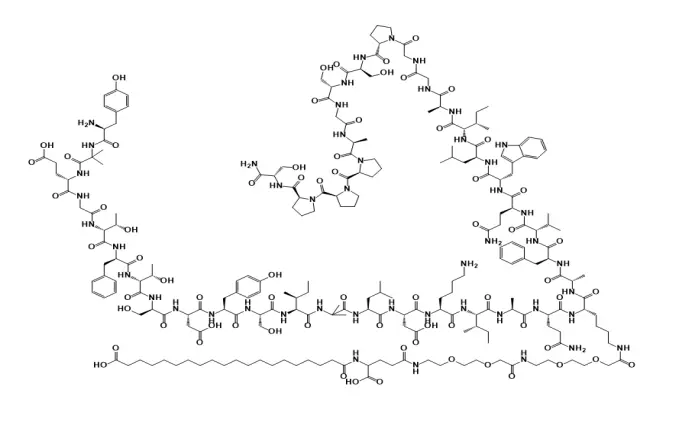
Telpotide is a novel dual-receptor agonist of glucagon-like peptide-1 receptor (GLP-1) and glucose-dependent insulinotropic polypeptide (GIP). GLP-1 and GIP are both incretins, which are peptides secreted by the human gastrointestinal mucosa. The former can bind to receptors on islet cells and affect insulin secretion, thereby reducing blood glucose, delaying gastric emptying and controlling appetite, and thus maintaining weight. The latter has the effects of inhibiting gastric acid and pepsin secretion, affecting insulin release, controlling gastrointestinal motility and emptying, and can fill the role of GLP-1 receptor agonist.
Conclusion:
Our company has introduced Tirzepatide as a raw material for clinical trials to improve glycemic control in adults with type 2 diabetes. Enterprises that need to buy can contact Hangzhou Gutuo Biological Co., LTD. This product is limited to research and cannot be used for human body.