




Keyword:Tirzepatide,2023788-19-2,Tirzepatide Peptide
Tirzepatide, a groundbreaking once-weekly injectable medication, has revolutionized the treatment landscape for type 2 diabetes and obesity by delivering unprecedented improvements in blood glucose control and substantial weight reduction. Its exceptional efficacy stems from a unique, first-in-class mechanism of action: dual agonism of both GLP-1 (glucagon-like peptide-1) and GIP (glucose-dependent insulinotropic polypeptide) receptors. Unlike single-target GLP-1 agonists, tirzepatide harnesses the synergistic power of two key metabolic hormones, creating a multi-faceted approach to regulating blood sugar, appetite, and energy storage. This article explores the intricate biological pathways through which tirzepatide exerts its therapeutic effects.
The Molecular Foundation: A Dual-Agonist Design
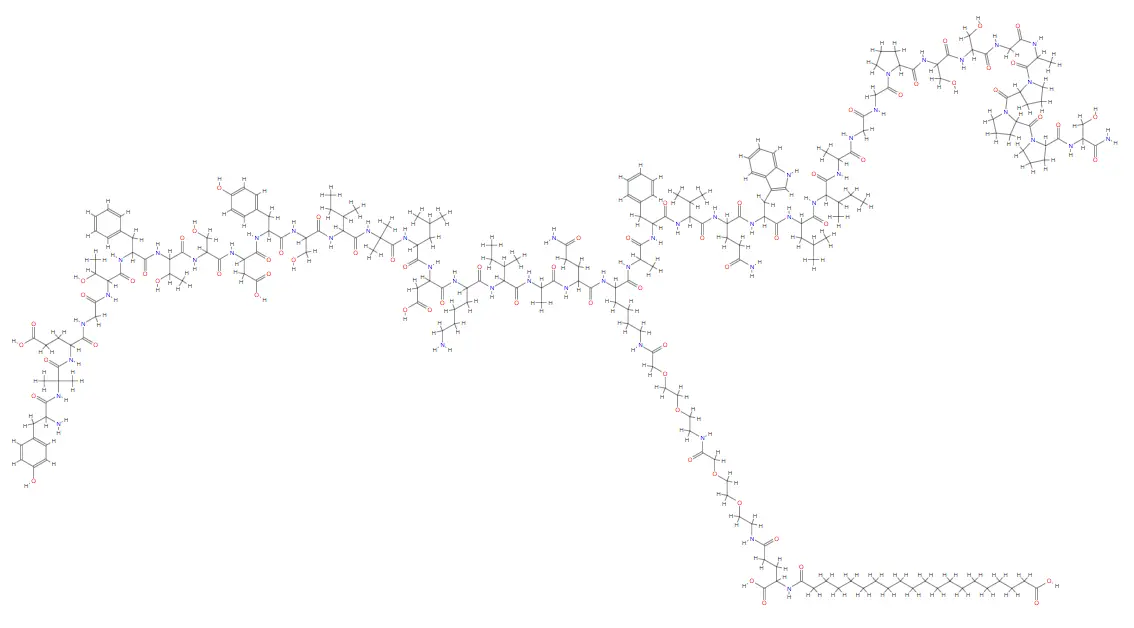
Tirzepatide is a synthetic, 39-amino-acid linear peptide engineered to mimic the actions of the body's natural incretin hormones, GLP-1 and GIP. Its molecular structure is strategically modified, incorporating a fatty acid side chain that binds to albumin in the bloodstream. This binding significantly prolongs its half-life to approximately five days, enabling the convenient once-weekly dosing regimen. A key distinction from native hormones is its balanced affinity for both receptors; while it activates the GLP-1 receptor effectively, it exhibits a particularly high affinity for the GIP receptor, a feature that sets it apart from older GLP-1-only medications. This dual binding capacity allows tirzepatide to simultaneously engage and activate two distinct signaling pathways, initiating a cascade of physiological effects that address the core metabolic dysfunctions seen in diabetes and obesity.
Pancreatic Action: Glucose-Dependent Glycemic Control
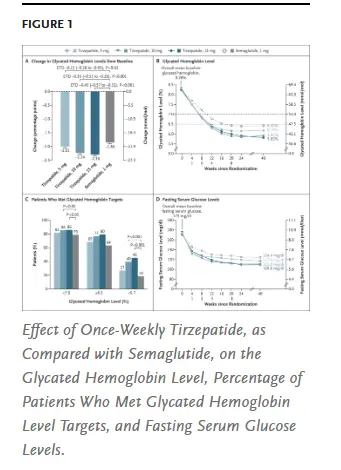
The primary and most critical effect of tirzepatide is its potent, glucose-dependent regulation of pancreatic hormone secretion, which directly stabilizes blood glucose levels. Acting on the beta cells of the pancreas, tirzepatide robustly stimulates the release of insulin only when blood glucose levels are elevated. This glucose-dependent mechanism is inherently safe, as it drastically reduces the risk of dangerous hypoglycemia (low blood sugar), a common side effect with many older diabetes treatments. Concurrently, it suppresses the secretion of glucagon from the pancreatic alpha cells. Glucagon is a hormone that triggers the liver to release stored glucose into the bloodstream; by inhibiting it, tirzepatide further prevents unwanted spikes in blood sugar, especially between meals and overnight. This dual pancreatic action—boosting insulin when needed and blocking glucose release—creates a powerful 'one-two punch' for achieving and maintaining excellent glycemic control. Clinical trials, such as the SURPASS-2 study published in the New England Journal of Medicine, have confirmed that this mechanism leads to superior reductions in HbA1c (a marker of long-term blood sugar control) compared to traditional GLP-1 agonists.
Central Nervous System: Suppressing Appetite and Enhancing Satiety
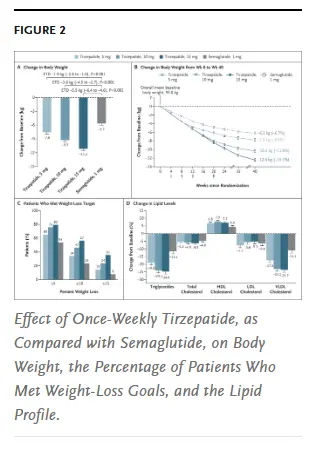
A major driver of tirzepatide's remarkable weight-loss efficacy is its direct action on the brain's appetite regulation centers. Both GLP-1 and GIP receptors are densely expressed in the hypothalamus, the region responsible for controlling hunger and fullness. By activating these receptors, tirzepatide sends strong signals of satiety (fullness) to the brain, effectively turning down the body's hunger drive. Users consistently report a natural reduction in appetite, a decreased craving for high-calorie, fatty, or sugary foods, and a feeling of satisfaction with smaller meal portions. This is not a forced suppression but a normalization of the body's hunger signals. Unlike many diet pills that act on the central nervous system with stimulant effects, tirzepatide's mechanism is physiological and well-tolerated. The result is a significant, sustained reduction in daily calorie intake, which is the cornerstone of its ability to deliver average weight losses of 15-20% or more in individuals with obesity, as documented in the landmark SURMOUNT-1 and SURMOUNT-2 trials.
Gastrointestinal Effects: Slowing Digestion and Prolonging Fullness
Tirzepatide exerts a profound regulatory effect on the gastrointestinal tract, primarily by slowing gastric emptying. This means food remains in the stomach for a longer period after eating. This physical delay contributes significantly to the prolonged feeling of fullness, reducing the urge to snack between meals and further curbing overall calorie consumption. By slowing the rate at which food enters the small intestine, tirzepatide also blunts the rapid absorption of glucose from meals, which smooths out postprandial (after-meal) blood glucose spikes. This effect complements its pancreatic actions, creating a more stable glucose profile throughout the day. While this slowing of digestion can occasionally lead to mild, transient side effects like nausea, especially during the initial dose-escalation phase, these symptoms typically diminish as the body adjusts, and the benefits of sustained weight and glucose control far outweigh these temporary discomforts.
Peripheral Tissues: Improving Insulin Sensitivity and Fat Metabolism
The unique activation of the GIP receptor component provides tirzepatide with additional metabolic benefits beyond those of GLP-1-only agonists. Research indicates that GIP signaling plays a crucial role in improving insulin sensitivity in peripheral tissues such as muscle, liver, and fat cells. Enhanced insulin sensitivity means the body's cells respond more efficiently to insulin, requiring less of the hormone to clear glucose from the bloodstream. This is a vital improvement for individuals with insulin resistance, a primary defect in type 2 diabetes and obesity. Furthermore, tirzepatide directly modulates fat cell metabolism. It promotes the breakdown of stored fat (lipolysis) and inhibits the formation of new fat cells (adipogenesis), shifting the body's energy balance from fat storage to fat utilization. Emerging research also suggests beneficial effects on other metabolic parameters, including reducing ectopic fat (fat deposited in organs like the liver and muscle), improving lipid profiles, and potentially reducing liver inflammation in conditions like metabolic dysfunction-associated steatohepatitis (MASH).
The Synergistic Effect: Why Dual Agonism Outperforms Single Targets
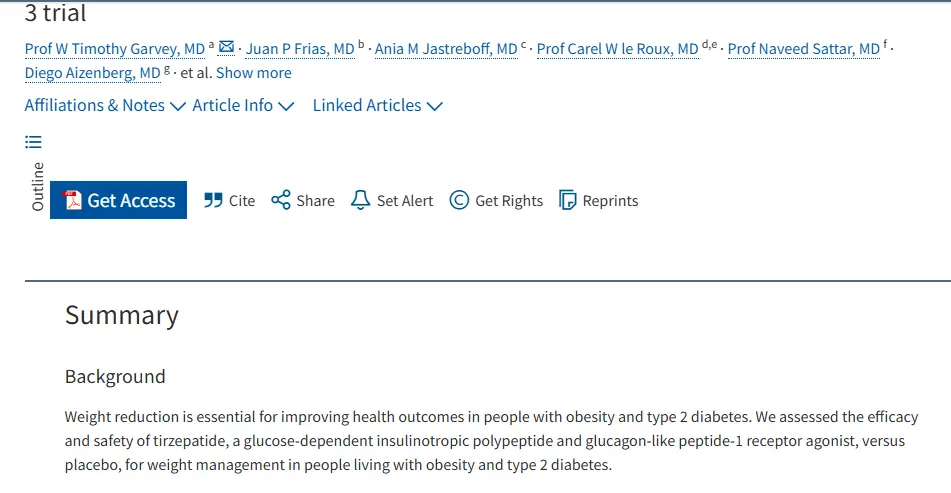
The true power of tirzepatide lies in the synergy between its GLP-1 and GIP actions. While GLP-1 receptor agonism handles the core functions of insulin secretion, glucagon inhibition, gastric emptying, and primary appetite suppression, the added GIP activity amplifies these effects and adds new dimensions. GIP enhances the insulinotropic response, improves peripheral insulin sensitivity, and may contribute to more efficient fat metabolism and better tolerability. This combination explains why clinical trials consistently show that tirzepatide achieves greater reductions in both HbA1c and body weight compared to single GLP-1 receptor agonists. It is not merely the sum of two separate effects but a holistic metabolic reset that addresses multiple interconnected pathways of metabolic disease. This comprehensive mechanism establishes tirzepatide as a transformative therapy, offering new hope for millions struggling with type 2 diabetes and obesity by treating the root causes rather than just the symptoms.