




Yizhi Dipeptide (Dihexa, CAS No. 1401708-83-5) is a synthetic oligopeptide derived from angiotensin IV, developed by a research team at Washington State University. Owing to its excellent neuroregulatory potential and cognitive-improving properties, it has emerged as a research hotspot in the field of neuroscience. Relevant studies have covered multiple aspects such as its mechanism of action and animal experiments, providing a new perspective for the intervention of neurodegenerative diseases.
The core advantages of this peptide lie in its oral activity and high blood-brain barrier permeability. Structural modifications at the N-terminus and C-terminus enhance its hydrophobicity and metabolic stability, enabling it to act on brain targets without invasive drug delivery. Its mechanism of action is clear: it can bind to hepatocyte growth factor (HGF) with high affinity (with a Kd value of 65 pM), strengthen the activation of the receptor c-Met by HGF, and then initiate downstream neuroregulatory pathways.
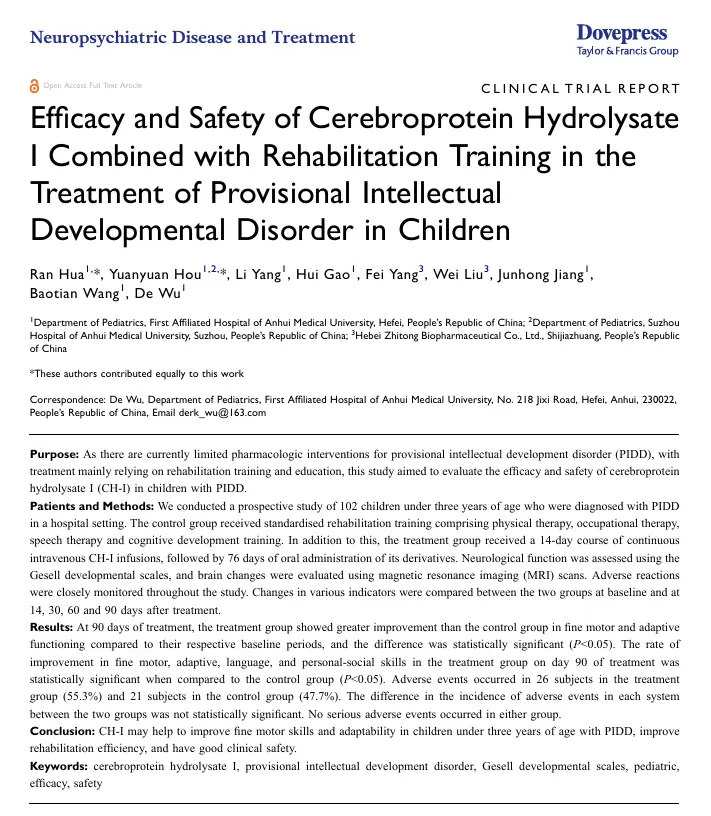
Experimental studies have confirmed that it can induce the formation of dendritic spines and synapses in hippocampal neurons, and its neurotrophic activity is seven orders of magnitude higher than that of brain-derived neurotrophic factor. In animal experiments, oral administration significantly reversed scopolamine-induced spatial learning deficits and improved spatial cognitive ability in aged rats, with no significant impact on individuals with normal cognitive levels, demonstrating prominent targeting properties.
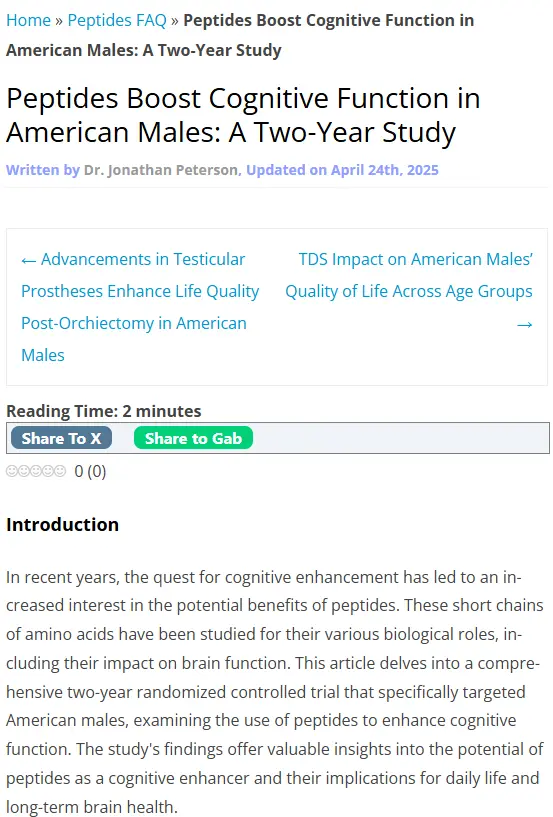
Relevant research is supported by a number of authoritative literatures. The Journal of Pharmacology and Experimental Therapeutics has confirmed through experiments that its pro-cognitive effect depends on the activation of the HGF/c-Met system. In addition, studies have shown that it exhibits intervention potential in animal models of neurodegenerative diseases such as Alzheimer’s disease and Parkinson’s disease, and its phosphate prodrug Fosgonimeton has entered the clinical research phase.
At present, research on this peptide is still dominated by preclinical studies, with limited data from human clinical trials, and its long-term safety remains to be further verified. However, short-term safety studies have found no obvious toxicity or tumor-inducing effects. With the deepening of research in the future, it is expected to bring breakthrough progress in the field of brain health.