




Ecnoglutide is a novel long-acting peptide drug currently being investigated for the treatment of metabolic diseases, particularly type 2 diabetes and obesity. As the prevalence of metabolic disorders continues to increase worldwide, there is growing demand for therapies that can effectively regulate blood glucose levels while also supporting weight management. Ecnoglutide belongs to the class of glucagon-like peptide-1 (GLP-1) receptor agonists, a group of drugs that mimic the action of the natural hormone GLP-1 to improve metabolic control.
The mechanism of action of Ecnoglutide involves activating GLP-1 receptors located in multiple organs, including the pancreas, gastrointestinal tract, and central nervous system. Through these interactions, the drug helps regulate insulin secretion, suppress glucagon release, slow gastric emptying, and reduce appetite. These combined physiological effects contribute to improved glycemic control and potential weight loss, making Ecnoglutide a promising therapeutic candidate in metabolic medicine.
The Role of GLP-1 in Metabolic Regulation
To understand how Ecnoglutide works, it is important to first understand the biological role of GLP-1. Glucagon-like peptide-1 is an incretin hormone secreted by intestinal L-cells in response to food intake. It plays a critical role in regulating glucose metabolism and maintaining energy balance.
After a meal, GLP-1 stimulates pancreatic beta cells to release insulin in a glucose-dependent manner. This means insulin secretion increases only when blood glucose levels are elevated, which helps reduce the risk of hypoglycemia. At the same time, GLP-1 inhibits the secretion of glucagon from pancreatic alpha cells, reducing the amount of glucose produced by the liver.
GLP-1 also influences digestive processes by slowing gastric emptying, allowing glucose to enter the bloodstream more gradually. In addition, the hormone acts on appetite centers in the brain to increase satiety and reduce food intake. Because of these multiple metabolic effects, GLP-1 receptor agonists have become an important class of medications for treating type 2 diabetes and obesity.
GLP-1 Receptor Activation: The Core Mechanism
The primary mechanism of action of Ecnoglutide is the activation of GLP-1 receptors throughout the body. When Ecnoglutide binds to these receptors, it triggers signaling pathways that regulate glucose metabolism and energy balance.
In the pancreas, activation of GLP-1 receptors stimulates insulin secretion from beta cells when blood glucose levels are elevated. This helps lower circulating glucose levels after meals. At the same time, the drug suppresses glucagon secretion from alpha cells, which reduces glucose production by the liver.
In the gastrointestinal tract, Ecnoglutide slows gastric emptying. By delaying the movement of food from the stomach into the small intestine, the drug helps prevent rapid spikes in postprandial blood glucose levels.
In the central nervous system, Ecnoglutide interacts with appetite-regulating regions of the brain, including the hypothalamus. This interaction promotes feelings of fullness and reduces hunger, which may lead to decreased caloric intake and gradual weight loss.
Through these integrated mechanisms, Ecnoglutide addresses multiple aspects of metabolic regulation simultaneously.
Long-Acting Peptide Design and Stability
A key feature of Ecnoglutide is its long-acting peptide structure. Natural GLP-1 has an extremely short half-life in the human body because it is rapidly degraded by the enzyme dipeptidyl peptidase-4 (DPP-4). This rapid degradation limits the therapeutic usefulness of the natural hormone.
Ecnoglutide has been chemically modified to resist enzymatic breakdown and remain active in the bloodstream for a longer period. These structural modifications allow the drug to maintain sustained activation of GLP-1 receptors, which supports consistent metabolic regulation.
Long-acting GLP-1 receptor agonists are particularly valuable in clinical settings because they provide stable glucose control and require less frequent dosing compared with short-acting therapies. This can improve treatment adherence and overall patient outcomes.
Effects on Blood Glucose Control
One of the primary therapeutic goals of Ecnoglutide is improving glycemic control in patients with type 2 diabetes. The disease is characterized by insulin resistance, impaired insulin secretion, and excessive hepatic glucose production.
By stimulating insulin release and suppressing glucagon secretion,Ecnoglutide helps restore a healthier balance in glucose metabolism. Its ability to slow gastric emptying also reduces the speed at which glucose enters the bloodstream after meals, helping stabilize postprandial blood sugar levels.
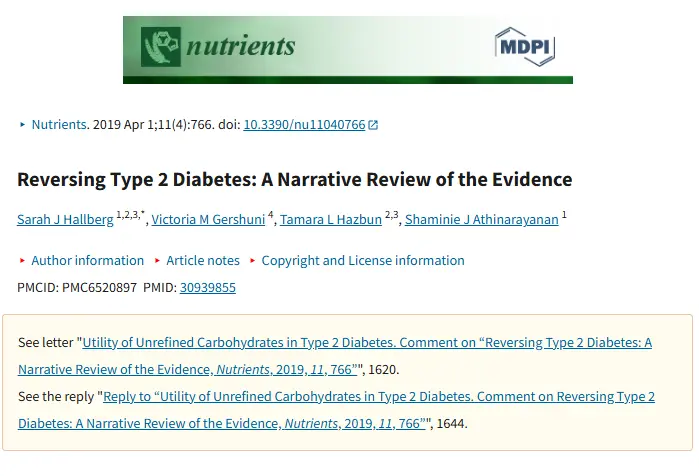
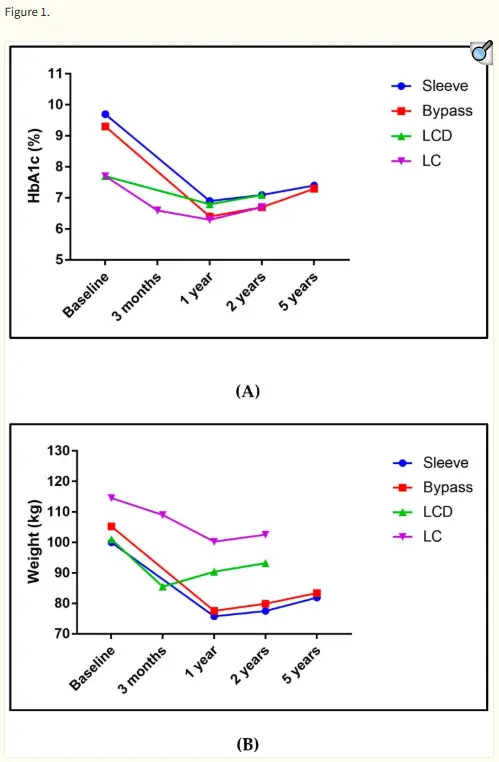
These combined effects may lead to reductions in fasting glucose levels as well as improved long-term glycemic markers such as glycated hemoglobin (HbA1c).

Impact on Appetite and Body Weight
Beyond glucose control,Ecnoglutide also affects appetite regulation and body weight. GLP-1 receptors are expressed in brain regions involved in hunger and satiety signaling. When these receptors are activated, the brain receives signals that reduce appetite and increase feelings of fullness.
At the same time, delayed gastric emptying prolongs the sensation of satiety after meals. Together, these mechanisms help reduce overall caloric intake, which may contribute to gradual and sustained weight loss.
Because obesity is closely linked to insulin resistance and metabolic disease, the weight-reducing effects of GLP-1 receptor agonists are considered an important therapeutic advantage.
Clinical Research and Future Potential
Ecnoglutide is currently being evaluated in clinical trials to assess its safety, efficacy, and optimal dosing strategies. Early research suggests that the drug may provide significant improvements in blood glucose control while also supporting weight reduction.
Because metabolic diseases involve multiple interconnected biological pathways, therapies like Ecnoglutide that target several mechanisms simultaneously are considered highly promising. Continued clinical research will determine whether this peptide drug can become an effective treatment option for diabetes, obesity, and other metabolic disorders.
Conclusion
Ecnoglutide is a long-acting GLP-1 receptor agonist designed to improve metabolic health through several complementary mechanisms. By stimulating insulin secretion, suppressing glucagon release, slowing gastric emptying, and reducing appetite, the drug helps regulate both blood glucose levels and body weight.
These combined effects make Ecnoglutide a promising candidate in the treatment of type 2 diabetes and obesity. As ongoing clinical studies continue to evaluate its safety and effectiveness, Ecnoglutide may play an important role in the future of metabolic disease therapy.