




Keyword:Lipopeptide,171263-26-6,Lipopeptide Peptide
Lipopeptides are unique amphiphilic biomolecules composed of a hydrophilic peptide chain linked to a hydrophobic fatty acid tail, endowing them with diverse biological and physicochemical properties that drive extensive applications across medicine, cosmetics, agriculture, food, and environmental industries. With low toxicity, high biodegradability, and potent bioactivity, these compounds have emerged as versatile materials in modern biotechnology and industrial production, addressing critical challenges from infectious diseases to sustainable agriculture.
Medical and Pharmaceutical Applications
In the medical field, lipopeptides represent a cornerstone of modern antimicrobial and therapeutic development, primarily due to their potent membrane-disrupting activity and targeted biological effects. The most prominent clinical application is as antibacterial agents, with daptomycin—produced by Streptomyces roseosporus—serving as a first-line treatment for severe Gram-positive bacterial infections, including methicillin-resistant Staphylococcus aureus (MRSA) and vancomycin-resistant enterococci (VRE). It works by inserting its fatty acid tail into bacterial cell membranes, disrupting membrane potential and causing rapid cell death, a mechanism that minimizes resistance development compared to traditional antibiotics. Polymyxins, another lipopeptide class, are reserved for multidrug-resistant Gram-negative infections, binding to lipopolysaccharides in the outer membrane to destabilize bacterial structure.

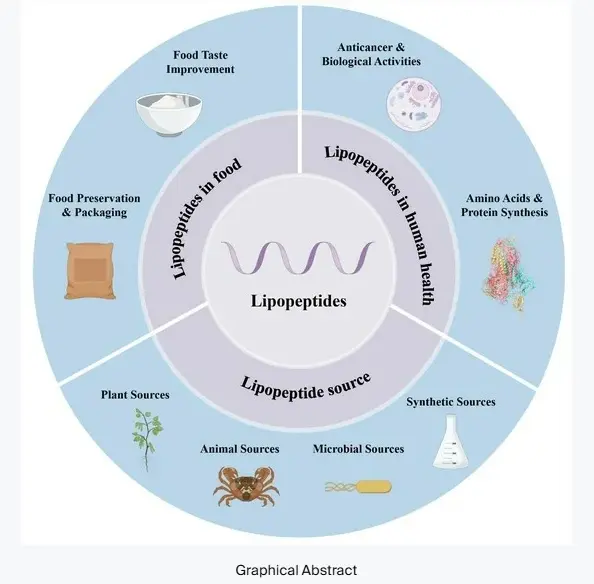
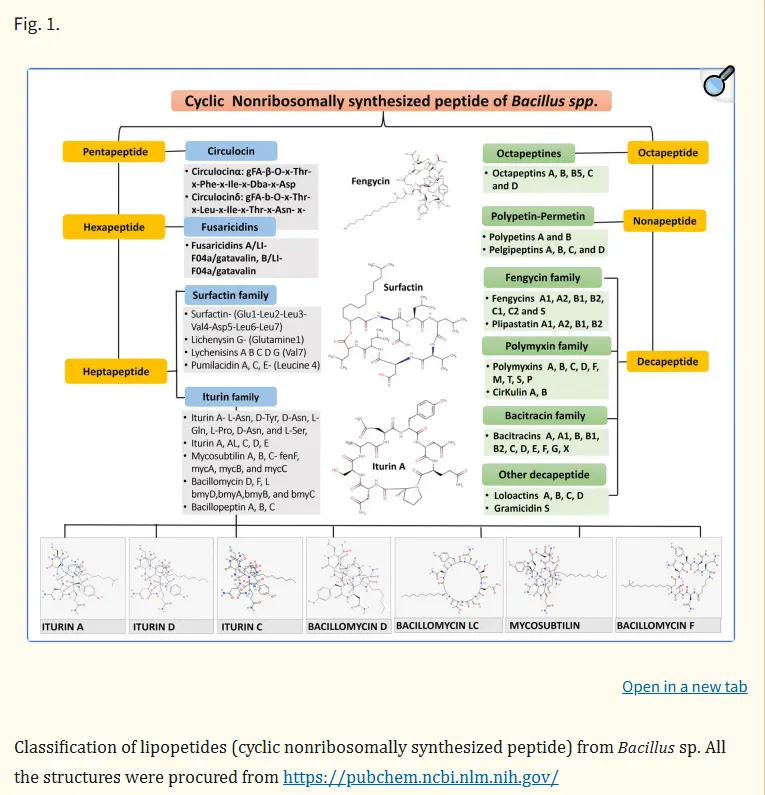
Beyond antibacterials, lipopeptides exhibit broad-spectrum antifungal, antiviral, and antiparasitic activity. Iturin and fengycin, Bacillus-derived lipopeptides, effectively inhibit pathogenic fungi like Candida albicans and Aspergillus fumigatus by forming membrane pores and disrupting cellular integrity. Antiviral lipopeptides block viral entry into host cells by mimicking viral surface proteins or binding to host cell receptors, inhibiting HIV, influenza, and coronaviruses; some formulations are in clinical trials for chronic viral infections. They also target parasites such as Plasmodium (malaria) and Leishmania, disrupting parasite membranes and interfering with metabolic processes.
Cosmetics and Personal Care Applications
The cosmetics industry widely adopts lipopeptides for their skin-beneficial properties, safety profile, and multifunctionality, replacing harsh synthetic ingredients with gentle, biodegradable alternatives. As moisturizing and anti-aging agents, they penetrate the stratum corneum to boost hydration, stimulate fibroblast activity, and increase collagen/elastin production, reducing fine lines and wrinkles. Lipopeptides like surfactin inhibit matrix metalloproteinases (MMPs) that break down skin matrix, preserving elasticity.
They act as skin brightening and soothing agents by inhibiting melanin synthesis via tyrosinase modulation, fading dark spots and evening tone, while anti-inflammatory properties calm redness, irritation, and sensitive skin—suitable for post-procedure care. In formulations, lipopeptides serve as natural emulsifiers, surfactants, and preservatives: their amphiphilic structure stabilizes oil-water mixtures, replaces synthetic emulsifiers, and enhances texture. Their antimicrobial activity prevents product spoilage, reducing chemical preservatives, and they improve ingredient absorption by disrupting lipid bilayers gently.
Agricultural and Food Industry Applications
In agriculture, lipopeptides are eco-friendly biopesticides and biocontrol agents replacing synthetic chemicals, combating bacteria, fungi, and oomycetes that cause crop diseases (e.g., soybean root rot, wheat powdery mildew, tomato gray mold). Surfactin, iturin, and fengycin inhibit pathogens by membrane disruption, biofilm suppression, and sporulation blockage—with low non-target toxicity and rapid biodegradation. They also promote plant growth by enhancing nutrient solubility (e.g., phosphorus, iron), improving root absorption, and inducing systemic resistance (ISR) against future infections.
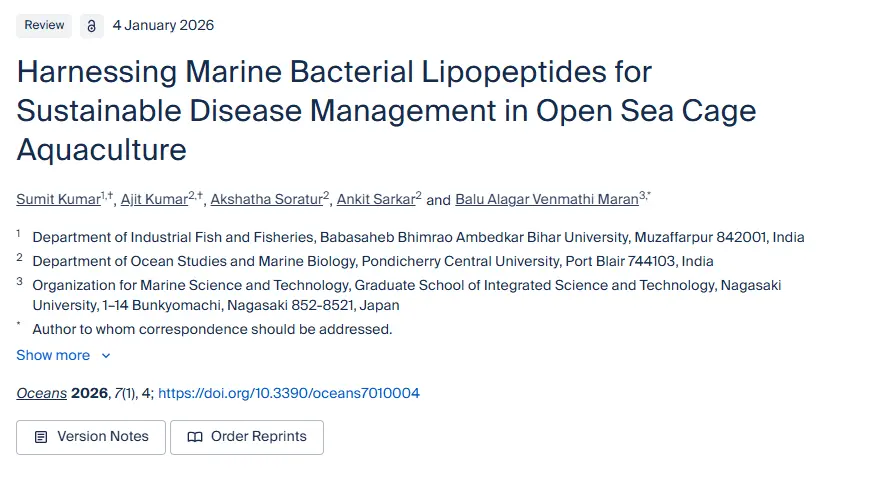
For aquaculture, lipopeptides control diseases in fish/shrimp farms, inhibiting Vibrio and Saprolegnia pathogens without environmental accumulation or resistance—safer than antibiotics. In food, they act as natural preservatives inhibiting foodborne pathogens (Salmonella, E. coli, Listeria), extending shelf life in meats, dairy, and produce. Incorporated into food packaging, they form antimicrobial films reducing contamination during transport/storage. As food additives, they improve texture, emulsification, and foaming in baked goods, dairy, and beverages, with nutritional value by providing essential amino acids.
Environmental and Industrial Applications
Lipopeptides excel as high-performance biosurfactants outperforming synthetic surfactants in environmental compatibility. They reduce water surface tension drastically (to ~27.9 mN/m at 17 mg/L), enabling emulsification, dispersion, and solubilization—critical for oil spill remediation by solubilizing oil for microbial degradation. In the petroleum industry, they enhance oil recovery (EOR) by reducing interfacial tension and displacing trapped oil in reservoirs.
For bioremediation, they remove heavy metals (cadmium, lead, mercury) and organic pollutants from soil/water by forming complexes or increasing solubility, aiding microbial breakdown. In textiles, they serve as eco-friendly wetting, emulsifying, and dispersing agents in dyeing/finishing, improving efficiency and reducing chemical waste. In nanotechnology, they template self-assembled nanostructures (nanotubes, vesicles) for sensors, catalysts, and electronic devices, with precise structural control.

Future Prospects and Conclusion
Advancements in synthetic biology and genetic engineering are scaling lipopeptide production, lowering costs and expanding applications. Engineered strains with enhanced yields and novel structures, plus synthetic lipopeptides with tailored properties, are unlocking new uses in personalized medicine, smart materials, and sustainable tech.
From life-saving antibiotics to anti-aging serums, eco-friendly pesticides to oil spill solutions, lipopeptides are indispensable across sectors. Their unique structure, diverse bioactivity, and environmental friendliness position them as critical to addressing global challenges in health, food security, and sustainability. Ongoing research will reveal more applications, solidifying their role in biotechnology and industrial innovation.