




Keyword:Semaglutide,910463-68-2,Semaglutide Peptide
Semaglutide, sold under the brand name Wegovy for weight management, has revolutionized obesity treatment with its unprecedented efficacy. As a glucagon-like peptide-1 (GLP-1) receptor agonist, it delivers clinically significant weight loss—averaging 15–18% of body weight in trials—when combined with diet and exercise. However, its meteoric rise has sparked critical questions: Is semaglutide safe for long-term weight loss? This evidence-based analysis evaluates its safety profile, common side effects, serious risks, contraindications, and real-world applicability, drawing on the latest clinical data and regulatory guidelines.
Understanding Semaglutide’s Approved Use and Mechanism
Semaglutide is a prescription medication approved by the U.S. Food and Drug Administration (FDA) for chronic weight management in adults with obesity (BMI ≥30 kg/m²) or overweight (BMI 27–29.9 kg/m²) plus at least one weight-related comorbidity (e.g., hypertension, type 2 diabetes, sleep apnea). It works by mimicking the body’s natural GLP-1 hormone, slowing gastric emptying, reducing appetite, and enhancing satiety—leading to sustained calorie reduction. Unlike older weight-loss drugs, it targets the brain’s hunger centers, making it easier to adhere to reduced-calorie diets.
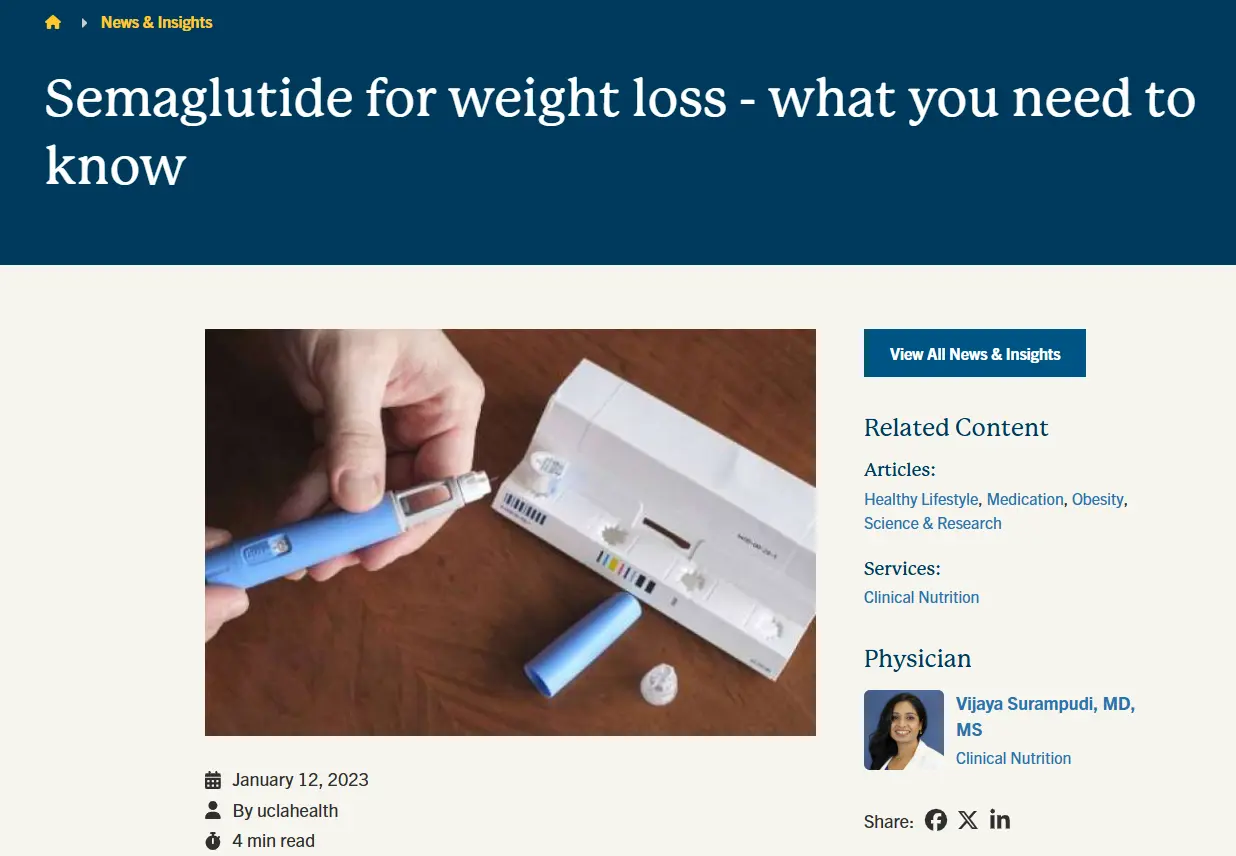
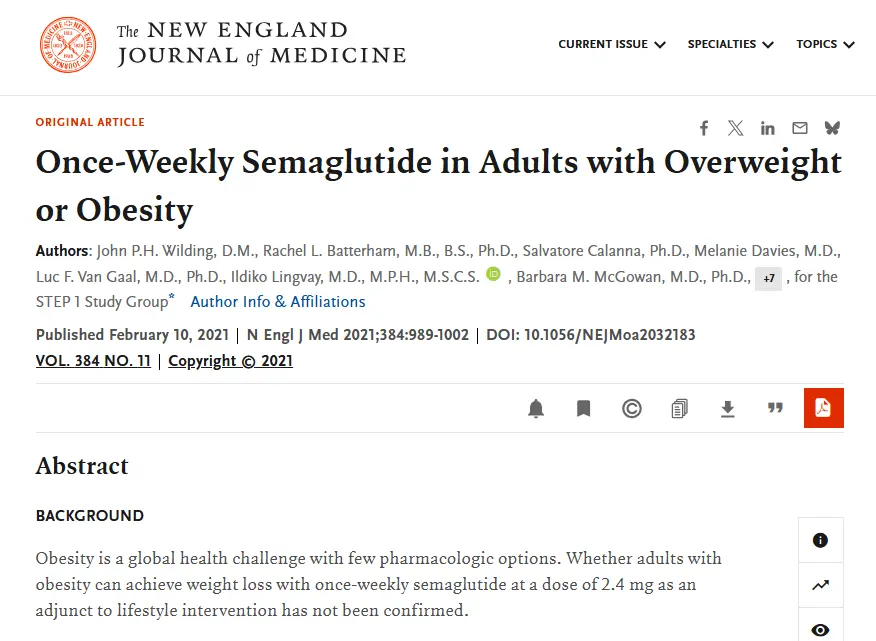
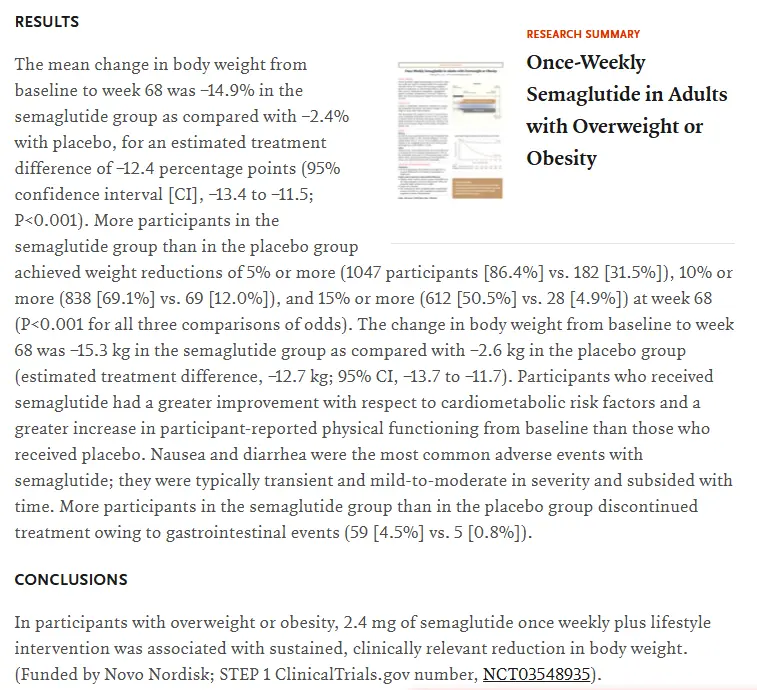
The FDA’s approval (initially in 2021 for 2.4 mg weekly injections, expanded to 7.2 mg in 2026) was based on the landmark STEP (Semaglutide Treatment Effect in People with Obesity) clinical trials, which enrolled over 10,000 participants. These trials consistently demonstrated semaglutide’s superiority over placebo, with 80–90% of users achieving ≥5% weight loss (a clinically meaningful threshold) vs. 15–30% for placebo. Crucially, the trials also established its baseline safety profile, with most adverse events being mild-to-moderate and transient.
Common Side Effects: Mild, Transient, and Manageable
The most prevalent side effects of semaglutide are gastrointestinal (GI) symptoms, affecting 40–80% of users, particularly during the first 12–16 weeks of dose titration. These include:
· Nausea (most common, 40–50% incidence)
· Diarrhea (30–40%)
· Constipation (25–35%)
· Vomiting (15–25%)
· Abdominal pain, bloating, or indigestion
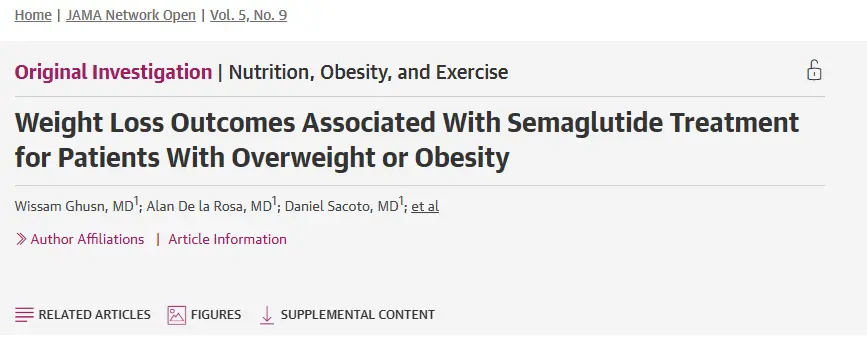
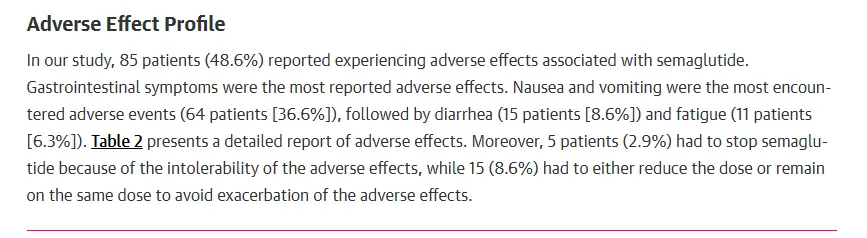
These symptoms typically peak as the dose is gradually increased (from 0.25 mg to 2.4 mg weekly) and diminish or resolve entirely within 4–8 weeks as the body adapts. Less common mild side effects include injection-site reactions (redness, itching, swelling—<5% incidence), transient fatigue, dizziness, or mild hair loss (linked to rapid weight loss, not direct drug toxicity).
Clinical data confirm these effects are rarely severe: only 0.8–4.5% of trial participants discontinued semaglutide due to GI issues, compared to 0.3–1% for placebo. For most users, these temporary discomforts are outweighed by significant weight loss and improvements in metabolic health (e.g., lower blood pressure, blood sugar, and cholesterol).
Rare but Serious Risks: Black Box Warnings and Critical Precautions
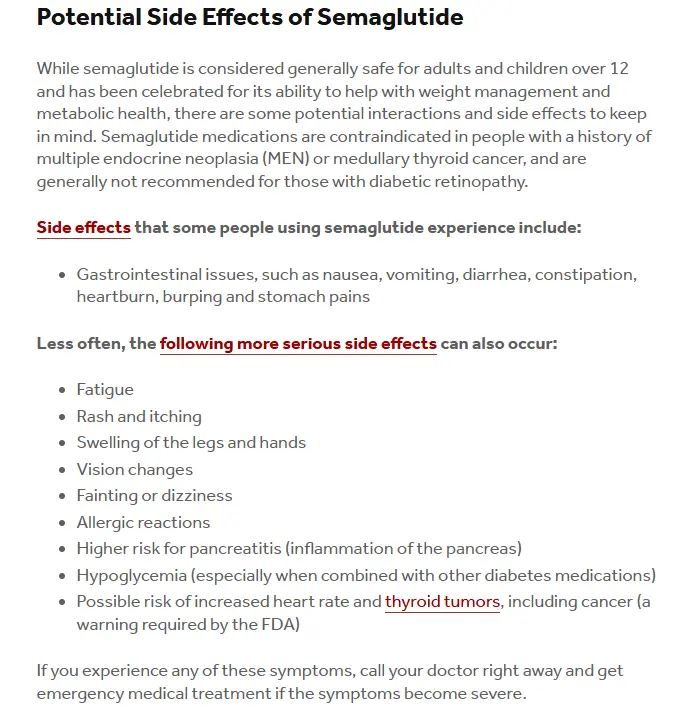
While semaglutide’s overall safety is favorable, it carries rare but potentially life-threatening risks that warrant strict medical oversight. The FDA has issued a boxed warning—the strictest for prescription drugs—regarding thyroid C-cell tumors, including medullary thyroid carcinoma (MTC). Rodent studies show semaglutide increases thyroid C-cell tumors in a dose- and duration-dependent manner, though no human cases have been definitively linked to the drug in clinical trials.
Key Serious Risks:
1. Thyroid C-Cell Tumors: Absolute contraindications include personal/family history of MTC or Multiple Endocrine Neoplasia syndrome type 2 (MEN 2). These patients face unacceptably high cancer risk and must never use semaglutide.
2. Acute Pancreatitis: Rare (<1% incidence), but potentially fatal. Symptoms include severe, persistent abdominal pain radiating to the back, nausea, and vomiting. Risk is higher in users with prior pancreatitis or extremely high triglycerides (>5.6 mmol/L). Discontinue immediately if symptoms occur.
3. Gallbladder Disease: Semaglutide increases risk of gallstones, cholecystitis, or gallstone-related complications by ~1.5x vs. placebo. This is partially linked to rapid weight loss (a known gallstone risk factor). Symptoms include upper right abdominal pain, jaundice, or fever.
4. Hypoglycemia: Low blood sugar is rare in non-diabetic users but significantly elevated in those with type 2 diabetes taking insulin or sulfonylureas. Dose adjustments of concurrent diabetes drugs are mandatory to avoid severe hypoglycemia.
5. Acute Kidney Injury: Rare, but linked to severe GI-induced dehydration. Users with pre-existing kidney disease or persistent vomiting/diarrhea must hydrate aggressively and monitor renal function.
6. Severe Allergic Reactions: Anaphylaxis or angioedema (swelling of the face/lips) is extremely rare but requires immediate emergency care.
Notably, the FDA removed the 2021 warning for suicidal ideation/behavior in 2026 after a comprehensive review found no causal link between GLP-1 agonists (including semaglutide) and increased mental health risk. This update resolves a major safety concern and reinforces its favorable profile.
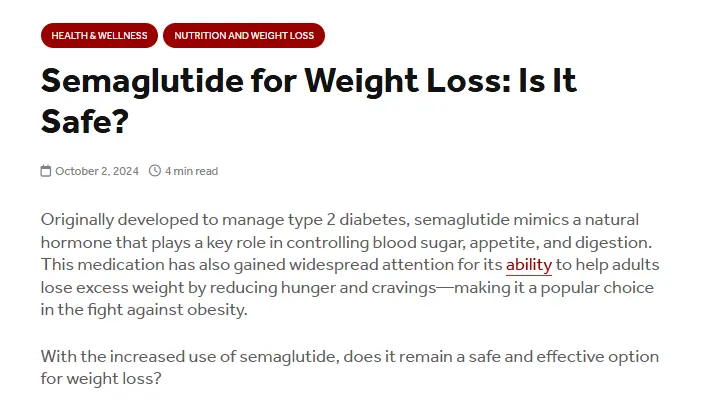
Contraindications and Special Populations: Who Should Avoid Semaglutide?
Semaglutide is not safe for everyone. Absolute contraindications (never use) include:
· Known hypersensitivity to semaglutide or its ingredients
· Personal/family history of MTC or MEN 2
· Pregnancy or breastfeeding (FDA pregnancy category C; animal studies show fetal harm, and drug passes to breast milk)
· Severe gastrointestinal disease (e.g., gastroparesis, inflammatory bowel disease)
· Severe hepatic impairment (no safety data)
Special Populations:
· Adolescents (12–17 years): Approved in 2026 for obesity (BMI ≥95th percentile for age/sex), but safety data is limited; close monitoring is required.
· Adults <18 years: Not approved; insufficient safety/efficacy data.
· Elderly (≥65 years): Generally safe but requires dose reduction and renal function monitoring (age-related kidney decline increases dehydration risk).
· BMI <27 kg/m²: Not recommended—risks (GI distress, rare serious events) outweigh benefits for non-overweight individuals.
Long-Term Safety: What 2–5 Year Data Reveals
A 2025 meta-analysis of STEP 5 (2-year trial) and real-world data confirmed semaglutide’s sustained safety with long-term use. Key findings:
· Serious adverse event rates remained low (10.8% in obese users, 4.9% in diabetic users)—similar to placebo.
· No new safety signals emerged after 2 years; GI symptoms persisted in <10% of long-term users (mild severity).
· Thyroid function tests showed no abnormalities in human trials, easing concerns about long-term thyroid risk.
· Cardiovascular benefits (reduced major adverse cardiovascular events, MACE) were maintained, with no increased heart risk.
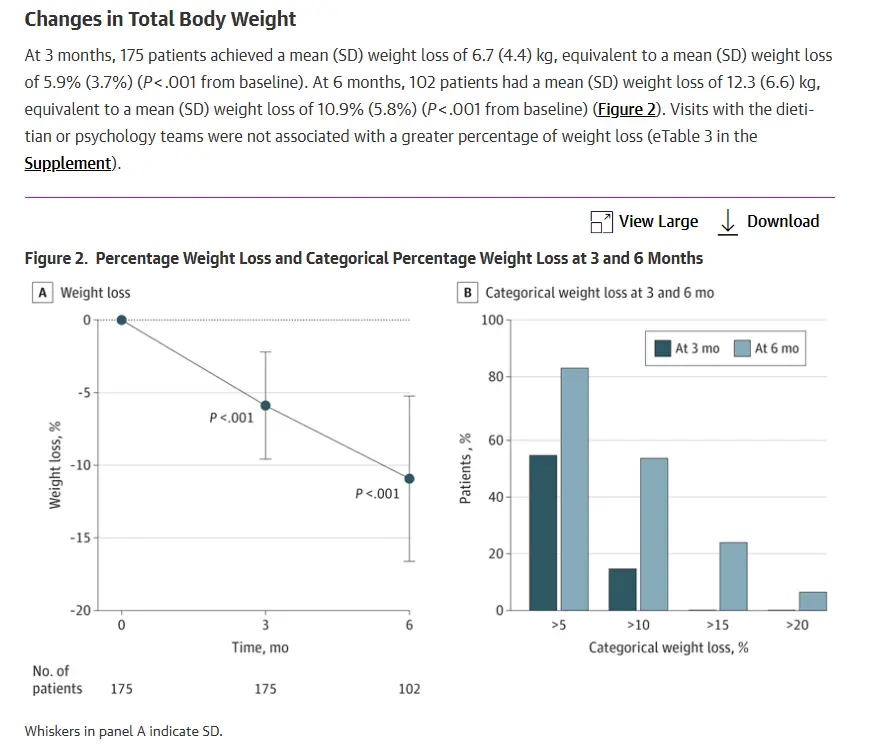
Real-world studies (2023–2026) of over 50,000 users mirror trial data: severe adverse events occur in <2% of users, and most are manageable with medical intervention. Discontinuation rates due to side effects are ~15% at 1 year, comparable to other chronic obesity treatments.
Safe Use Guidelines: Maximizing Benefits, Minimizing Risks
Semaglutide’s safety depends entirely on proper medical supervision and adherence to protocols. To use it safely:
1. Prescription Only: Never buy online or use without a doctor’s evaluation—counterfeit versions pose severe risks.
2. Dose Titration: Follow the gradual 16-week escalation (0.25 mg → 0.5 mg → 1 mg → 1.7 mg → 2.4 mg weekly) to reduce GI side effects.
3. Lifestyle Integration: Pair with reduced-calorie diet (500–750 kcal deficit) and 150+ minutes/week of exercise—critical for efficacy and safety.
4. Regular Monitoring: Doctors will check thyroid function, kidney/liver panels, gallbladder health, and blood sugar every 3–6 months.
5. Immediate Reporting: Notify your provider of severe abdominal pain, persistent vomiting, jaundice, or allergic symptoms.
Conclusion: Semaglutide Is Safe for Eligible Users Under Medical Care
Yes, semaglutide is safe for weight loss when used as prescribed for eligible individuals. It has a well-characterized safety profile with mild, transient side effects (predominantly GI) and rare, manageable serious risks. The FDA’s approval, backed by 10,000+ trial participants and 5+ years of real-world data, confirms its benefit-risk ratio is highly favorable for adults with obesity or overweight plus comorbidities.
Safety hinges on strict adherence to contraindications, proper dose titration, and ongoing medical monitoring. It is not a "quick fix" or cosmetic weight-loss tool—its purpose is to treat a chronic, life-altering disease. For eligible users, semaglutide offers a transformative, safe path to sustained weight loss and improved metabolic health when paired with lifestyle changes.